Five years ago, Istanbul’s nightlife felt like a ghost town after midnight. The same clubs played the same remixes, the same tourists lined up outside the same venues, and the energy felt forced. But something changed. Not with a bang, but with a slow, quiet shift-locals started reclaiming the night. New spaces opened not to impress visitors, but to serve the city’s own rhythm. Today, Istanbul’s nightlife isn’t just back-it’s been reinvented.
Where the Real Night Begins
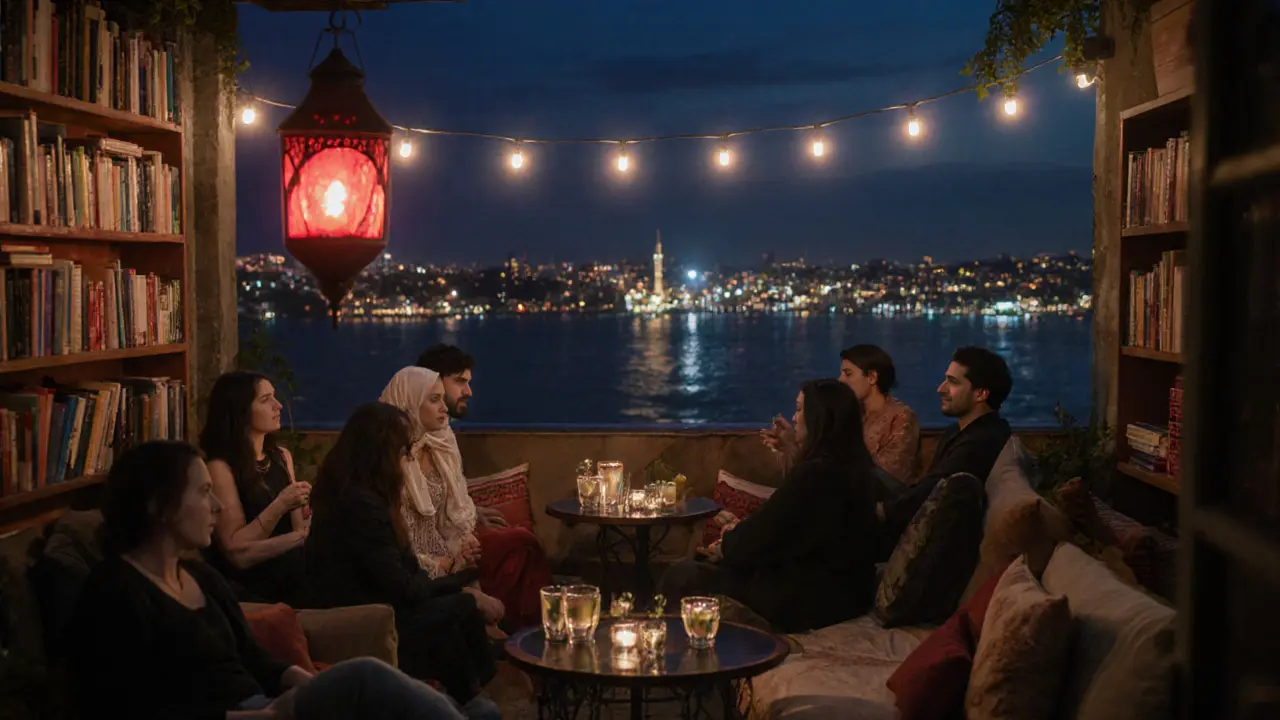
You won’t find it on the tourist maps. The real party in Istanbul doesn’t start at 10 p.m. It starts at 1 a.m. That’s when the doors open at Asma a hidden rooftop bar tucked above a bookshop in Beyoğlu, where the cocktails are made with local herbs and the music is a mix of Anatolian folk beats and deep house. No sign outside. Just a single red lantern. You need a friend’s recommendation or a code sent via WhatsApp. Inside, the crowd is half locals, half curious travelers who’ve done their homework. The bartender, Elif, knows your name by the third drink. She doesn’t serve vodka tonics. She makes zencefil gin fizz with ginger root from the Black Sea and lemon verbena from the Aegean.
Asma isn’t a club. It’s a living room with a view of the Bosphorus. And that’s the pattern now-places that feel personal, not packaged.
The Warehouse That Became a Temple of Sound
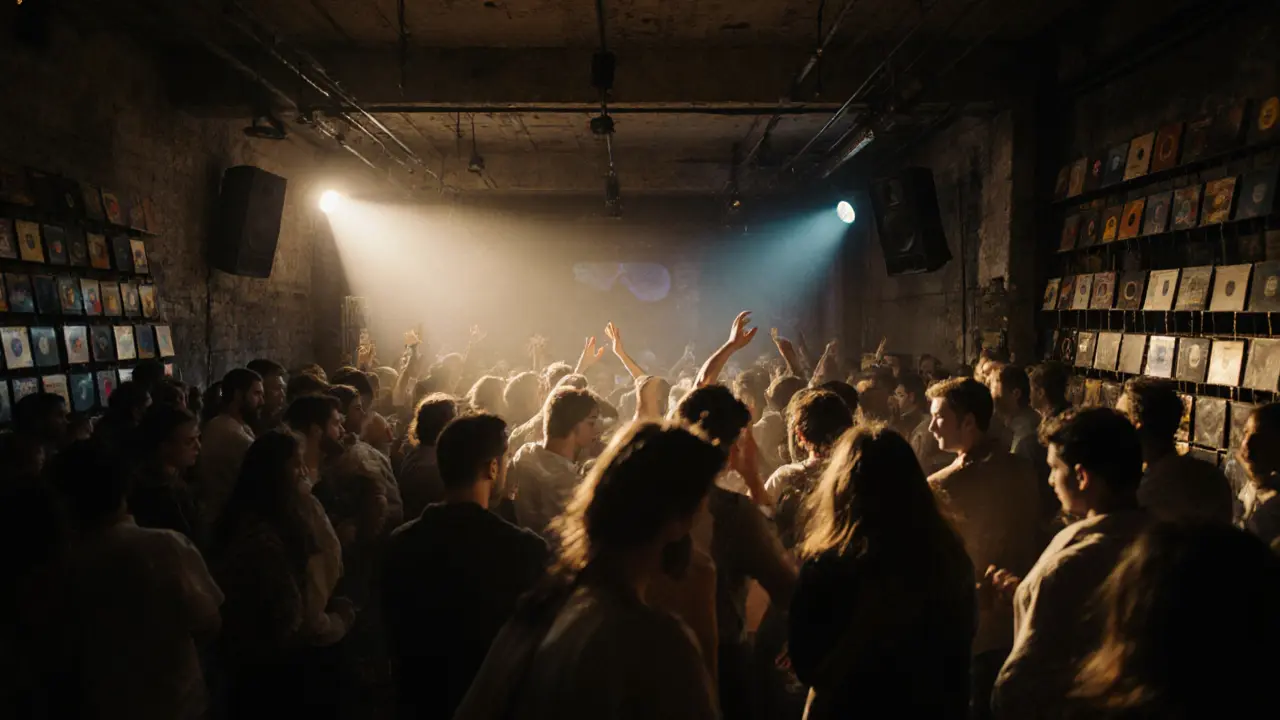
Down in Karaköy, an old textile factory sat empty for years. Then, in early 2024, a group of DJs and architects turned it into Mekan a 24-hour sound laboratory with industrial ceilings, concrete floors, and a custom-built 16-speaker system designed to replicate the acoustics of a 19th-century Ottoman mosque. No VIP sections. No bottle service. Just a 200-person capacity, a 10-hour DJ set from midnight to 10 a.m., and a rule: no phones on the dance floor. The walls are lined with vintage Turkish vinyl. You’ll hear a 1970s Turkish pop record followed by a Berlin techno track, then a Kurdish bağlama loop. No genre is off-limits. The crowd? Artists, engineers, poets, and students who’ve traveled from Izmir just to hear the sound.
Mekan doesn’t advertise. It doesn’t need to. It sold out every Friday night in 2024. The owner, Serkan, says they turned away 1,200 people last month. That’s not a problem-it’s the point.
The Rooftop That Doesn’t Look Like a Rooftop
Most rooftop bars in Istanbul are glass-and-steel towers with overpriced mojitos and DJs spinning Ed Sheeran remixes. Kapalı Çarşı a rooftop garden hidden behind a 19th-century Ottoman market in Kadıköy, where the drinks come in clay cups and the music is live saz and percussion played by musicians who’ve been performing since they were teens looks like a backyard. Vines climb the walls. Tables are made from reclaimed wood. The bar is a repurposed fruit cart. You can order a ayran cocktail-yogurt, mint, and a splash of rakı-or a Turkish coffee negroni. No one’s taking selfies here. People sit in silence, listening to the call to prayer drift over the Bosphorus while the moon lights up the minarets.
Kapalı Çarşı doesn’t open until 11 p.m. and closes at 4 a.m. It’s not for the clubbers. It’s for the night thinkers.
The Underground Speakeasy with a Secret Menu
Behind a fake refrigerator door in a quiet alley in Nişantaşı, you’ll find Sıra a 12-seat speakeasy where every drink is a story, crafted by a former chemistry teacher who studied traditional Turkish fermentation techniques. The menu changes weekly. Last month, it featured a drink made with fermented mulberry, wild thyme honey, and distilled juniper from the Taurus Mountains. No names on the drinks-just numbers. You’re given a card with a riddle. Solve it, and you get your cocktail. One guest spent 45 minutes trying to decode "The sea that doesn’t taste like salt." The answer? Black Sea kelp tincture. He got a glass of liquid smoke with a hint of brine. He came back the next week.
Sıra doesn’t take reservations. You show up at 9:30 p.m. and wait in line. If you’re still there at 10, you’re in. The owner, Derya, says 80% of her customers are locals. The rest? They’re the ones who left Istanbul years ago and came back because they missed the night.
The Boat That Doesn’t Move
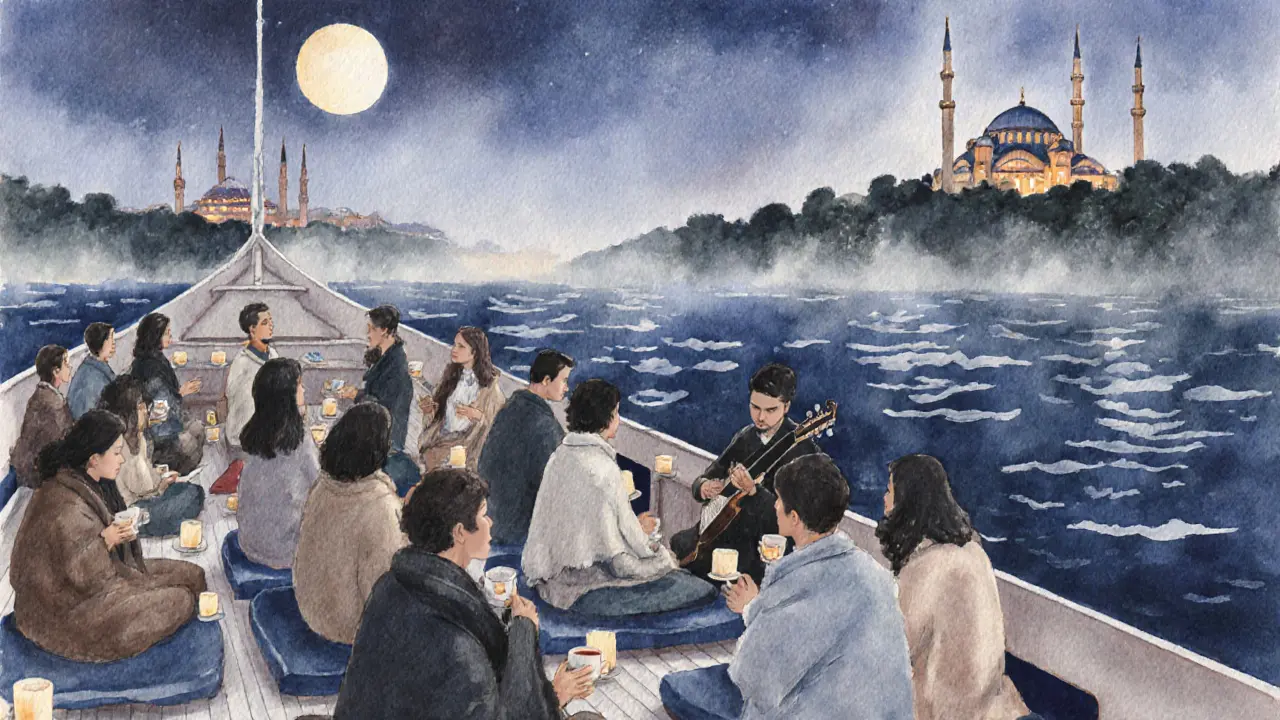
There’s a rusted ferryboat docked near the Galata Bridge that’s been turned into a floating lounge called Yat a silent, candlelit space anchored in the Bosphorus, where you sip tea from porcelain cups while a live oud player performs Ottoman classical pieces. No music is amplified. No lights are bright. You sit on cushions, wrapped in wool blankets, watching the lights of Üsküdar blink across the water. The boat doesn’t move. That’s the point. It’s a pause. A breath. A place to sit and remember what Istanbul was before it became a postcard.
Yat opens only on full moon nights. It seats 18. Last month, 300 people showed up. Only 18 got in. The rest sat on the shore, listening.
Why This Is Different
This isn’t just about new bars or better cocktails. It’s about a shift in what people want from the night. Istanbul’s young generation isn’t chasing trends. They’re chasing meaning. They want spaces that feel like home, not like a brand. They want music that tells a story, not just a beat. They want to be seen-not by Instagram, but by each other.
The old nightlife was transactional: pay, drink, dance, leave. The new one is relational: sit, listen, talk, stay.
You won’t find influencers here. You won’t find neon signs. You won’t find a cover charge at most of these places. What you will find? People who’ve spent years learning the city’s hidden rhythms. People who know that Istanbul’s soul doesn’t live in the Sultanahmet Square-it lives in the alley behind the bakery, the rooftop above the laundromat, the boat that doesn’t move.
What to Expect When You Go
- Timing matters. Most places don’t get alive until after 1 a.m. Arrive before midnight, and you’ll be alone.
- No apps. Don’t rely on Google Maps or Instagram. Many spots don’t have websites. Ask a local. Ask a barista. Ask someone who’s been here five years.
- Leave your phone behind. At Mekan, Asma, and Yat, phones are discouraged. The experience is meant to be felt, not filmed.
- Cash is king. Many of these places don’t take cards. Bring Turkish lira. Even if you’re staying at a five-star hotel.
- Be quiet. Loudness isn’t a sign of fun here. Silence is part of the music.
Where to Start
If you’re visiting for the first time and want to feel the new Istanbul night, begin here:
- Start at Asma at 1 a.m. on a Friday. Order the zencefil gin fizz. Sit by the window.
- Walk to Mekan by 3 a.m. Let the sound pull you in. Don’t look at your phone.
- At 5 a.m., head to Kapalı Çarşı. Drink tea. Listen to the oud.
- At 6 a.m., walk to the Galata Bridge. Watch the fishermen cast their lines. The night isn’t over-it’s just changing form.
This isn’t a party. It’s a ritual. And Istanbul is the only city in the world where you can dance to a 12th-century Sufi rhythm at 2 a.m. and still catch the sunrise over the Golden Horn.
Are these new nightlife spots safe for tourists?
Yes. These places are in well-traveled neighborhoods like Beyoğlu, Karaköy, and Kadıköy, which are safer than most European city centers at night. Locals frequent them, and security is usually low-key but present. Avoid isolated alleys after 3 a.m., but the venues themselves are secure. The biggest risk? Getting so absorbed in the music you forget to call a cab.
Do I need to speak Turkish to enjoy these spots?
Not at all. Most staff speak English, especially in places like Asma and Mekan. But learning a few phrases-"Teşekkür ederim" (thank you), "Lütfen" (please), "Ne var?" (what’s up?)-goes a long way. The real connection happens when you smile, make eye contact, and don’t rush. Language is just noise. Presence is the real translation.
What’s the dress code?
Casual. Jeans, a nice shirt, clean sneakers. No suits, no flip-flops. At Yat, bring a light jacket-it gets chilly on the water. At Mekan, you’ll see people in work clothes straight from the office. The vibe is relaxed, not formal. What matters isn’t what you wear-it’s how you show up.
Are these places expensive?
Not by Western standards. A cocktail at Asma costs around 180 Turkish lira ($5.50). At Mekan, drinks are 150 lira ($4.50). Yat serves tea for 70 lira ($2). Compare that to a $15 cocktail in Berlin or London. Istanbul’s new nightlife is affordable because it’s not built for profit-it’s built for connection.
When is the best time to visit for this scene?
October to May. Summer is too hot, and many venues close or scale back. The real energy returns in autumn, when the air cools and the city remembers how to breathe at night. November through March is peak season-cooler weather, fewer crowds, and the most authentic experiences.
What Comes Next
The next wave? Rooftop libraries that turn into jazz lounges after 11 p.m. A tea house in Üsküdar that hosts poetry readings with live ney flute. A basement in Fatih where you can dance to Ottoman court music while eating baklava. The night in Istanbul isn’t just alive-it’s evolving. And if you’re willing to listen, it’ll show you a side of the city you didn’t know existed.