Forget the tourist traps-real Istanbul nightlife happens where the locals go
Most visitors to Istanbul end up in the same few crowded spots: Istiklal Avenue, the Bosphorus cruise bars, or the overpriced rooftop lounges with view-only pricing. But the city’s true pulse beats in places that don’t show up on Google Maps unless you know someone who knows someone. These aren’t just bars or clubs-they’re underground music dens, rooftop gardens hidden behind unmarked doors, and old-fashioned meyhanes where the ouzo flows and the bağlama never stops.
By 10 p.m., the crowds on Istiklal thin out. That’s when the real night begins.
Where the locals drink: The meyhane revival
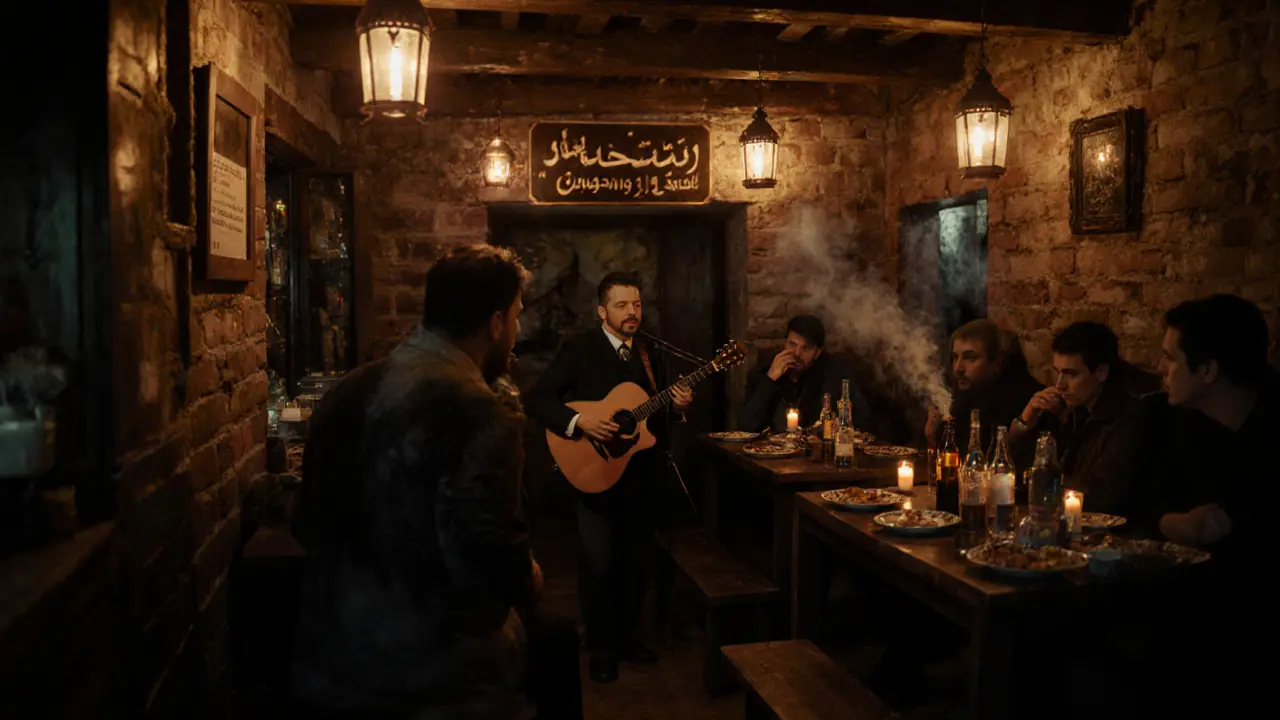
Traditional meyhanes aren’t just restaurants-they’re social institutions. In Kadıköy, on the Asian side, Çiya Sofrası’s back room turns into a live music lounge after midnight. It’s not advertised. You walk in for dinner, order the lamb kebabs, and by 11 p.m., a musician picks up the bağlama and the whole room starts singing along. No tickets. No cover. Just a bottle of raki and a table next to a group of retirees who’ve been doing this since the 90s.
On the European side, Karaköy Lokantası has a hidden staircase behind the kitchen. Follow it up, and you’ll find a tiny balcony with mismatched chairs, a view of the Golden Horn, and a bartender who remembers your name after one visit. The drinks are cheap, the music is Turkish jazz, and the crowd is a mix of artists, poets, and old-school musicians.
The secret bars: No sign, no menu, just a knock
Some of Istanbul’s best bars don’t have names. Or if they do, they’re written in Turkish script so small you need a magnifying glass. Mum Bar in Beyoğlu is one of them. You find it by looking for a red door with no handle-just a brass knocker shaped like a bird. Knock three times. If the door opens, you’re in. Inside, it’s dim, warm, and smells like cedar and smoked tea. The cocktails are made with local herbs: sumac-infused gin, rosewater vodka, wild thyme syrup. No list. You tell the bartender what mood you’re in, and they make you something you didn’t know you needed.
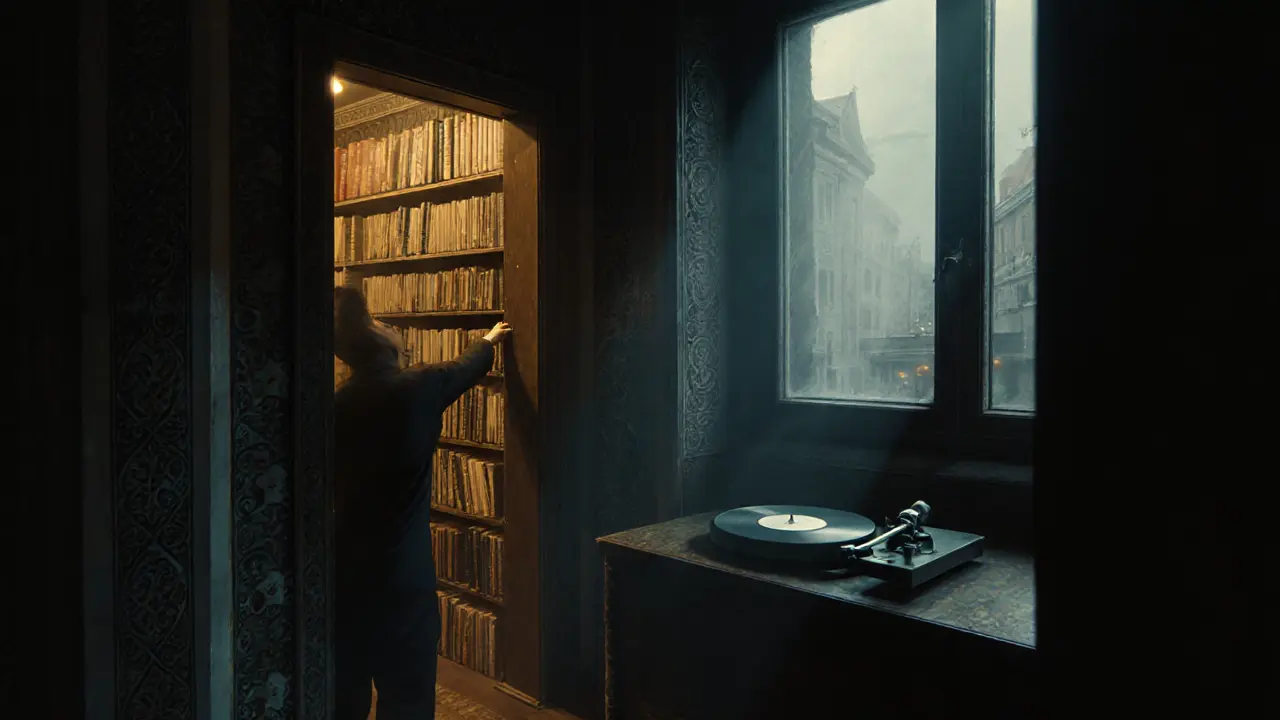
Another one is Sakız, tucked inside a 19th-century Ottoman mansion in Nişantaşı. The entrance is through a bookshelf. You need to whisper the name of a Turkish poet to get in. It’s not a gimmick-it’s how they filter the crowd. Inside, it’s like stepping into a library that turned into a speakeasy. Books line the walls. Vinyl spins softly. And the cocktails? Each one is named after a line from Nazım Hikmet.
Underground music: Where beats are born in basements
Istanbul’s electronic scene doesn’t live in big clubs. It lives in basements, warehouses, and abandoned textile factories. Kasa in Üsküdar is one of the most respected. It’s not on any tour app. You hear about it through a friend who heard it from someone who DJ’d there last month. The space is raw-concrete floors, exposed pipes, no lights except for a single strobe. The sound system? Built by a local engineer who used parts from old Soviet radios. The music? Experimental techno mixed with Ottoman drum samples. People don’t go to dance. They go to feel something.
On the other side of town, Taksim Art House hosts weekly jazz nights in a converted 1920s cinema. The stage is tiny. The audience sits on cushions. The musicians are all under 30, but they play like they’ve lived through decades of war, exile, and revolution. No drinks are sold at the bar-you pay by bringing a book to swap. The night ends with everyone reading poetry aloud under the old chandelier.
Boat bars and floating secrets
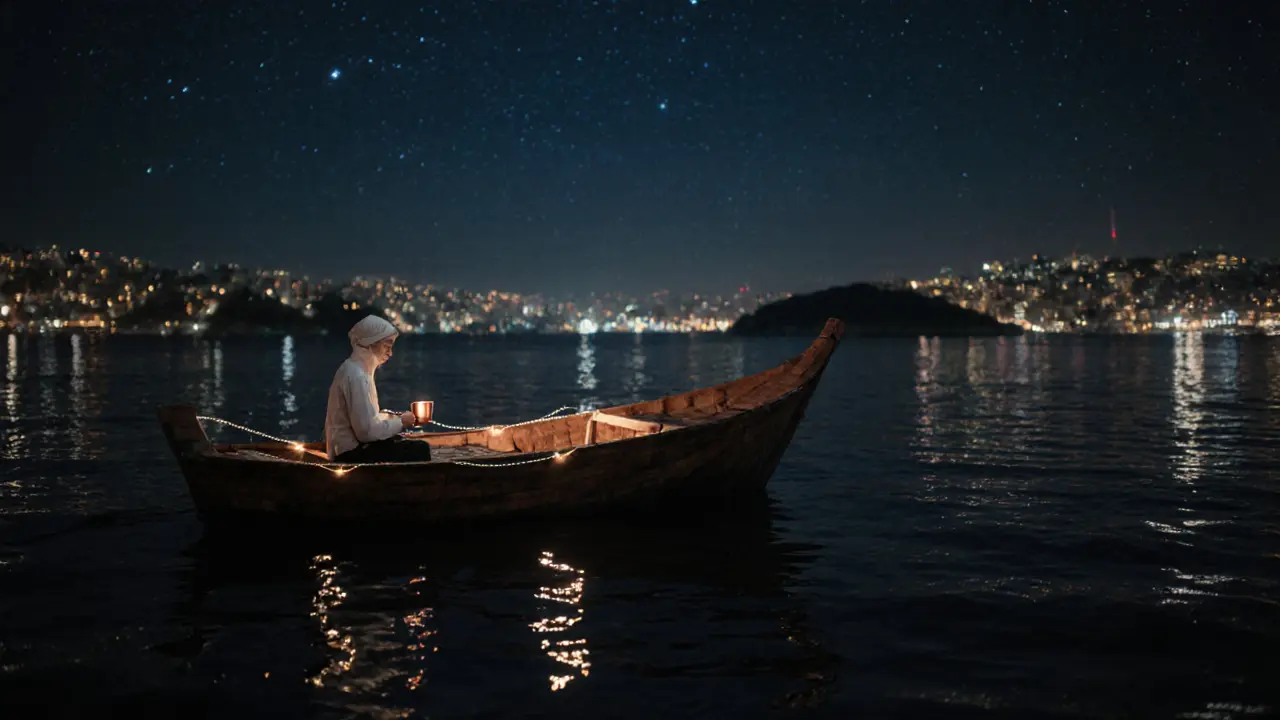
The Bosphorus isn’t just for sunset cruises. At night, a few old wooden boats turn into floating lounges. Küçüksu is one of them. It’s not a restaurant. It’s not a club. It’s a converted fishing boat anchored near the Princes’ Islands. You get there by taking a public ferry to Bostancı, then walking 10 minutes to a dock where a man in a wool cap asks if you’re with ‘the poet’. If you say yes, he rows you out. The boat plays only Turkish folk songs on a loop. You drink tea from copper cups. No one speaks much. The stars reflect on the water. And for a few hours, the city feels still.
What to expect-and what to avoid
Don’t expect neon signs or DJs spinning Top 40. Istanbul’s hidden nightlife thrives on atmosphere, not advertising. You won’t find bouncers in suits or velvet ropes. But you will find rules: no photos, no loud talking, no asking for the menu. Respect that. These places survive because they’re protected by silence.
Avoid anything that says ‘Istanbul Night Tour’ on the sign. Those are for people who want to check off a box. The real experience isn’t scheduled. It’s stumbled upon.
When to go and how to find them
The best time to explore? Between Tuesday and Thursday. Weekends are crowded with tourists and students. Midweek is when the locals have the space to breathe.
Here’s how to find these places:
- Ask a local bartender for their favorite place they can’t tell you about.
- Follow Turkish musicians on Instagram-they often post clues in captions or stories.
- Visit bookstores like Oğuz Toker in Beyoğlu. The staff know everything.
- Walk without a destination. Turn down alleys with music leaking out.
Bring cash. Most of these places don’t take cards. And wear comfortable shoes-you’ll be walking a lot.
Why this matters
Istanbul’s nightlife isn’t about partying. It’s about connection. These hidden spots are where history, music, poetry, and resistance live. They’re not owned by chains. They’re not rented out for influencer photos. They’re kept alive by people who believe the city’s soul isn’t in its landmarks-but in its quiet corners after midnight.
If you leave Istanbul without finding at least one of these places, you didn’t really see the city. You just saw the postcard version.
Is Istanbul nightlife safe for tourists?
Yes, but only if you go where the locals go. Stick to neighborhoods like Kadıköy, Beyoğlu, and Nişantaşı after dark. Avoid isolated alleys, and never follow strangers into unmarked buildings. The hidden spots are safe because they’re known to a tight-knit community. If you’re unsure, ask a bartender or shop owner-they’ll guide you.
Do I need to speak Turkish to enjoy Istanbul’s hidden nightlife?
No, but knowing a few phrases helps. Saying "Teşekkür ederim" (thank you) or "Lütfen" (please) opens doors. Many staff speak English, but the real magic happens when you don’t rely on translation. A smile, a nod, and a willingness to listen go further than any phrasebook.
What’s the dress code for these hidden spots?
There isn’t one. Jeans and a clean shirt work everywhere. Some places, like Sakız, prefer quiet, elegant styles-no flip-flops or flashy logos. But most don’t care what you wear. What matters is how you behave. Be respectful. Be present. That’s the real dress code.
Are these places expensive?
Not at all. A cocktail at Mum Bar costs around 80 Turkish lira ($2.50). A meyhane meal with drinks runs 200-300 lira ($6-10). Even the underground clubs charge no cover. You pay for what you drink or eat. Compared to tourist spots, it’s a steal.
Can I visit these places alone?
Absolutely. Many regulars go solo. Istanbul’s hidden nightlife is surprisingly welcoming to individuals. Sitting alone at a meyhane table doesn’t make you odd-it makes you observant. You’ll often end up sharing a bottle with someone who becomes a friend by sunrise.
Next steps: Where to go after this
Once you’ve found your first hidden bar, ask the bartender where they go next. They’ll likely point you to a jazz club in Beşiktaş, a poetry reading in Üsküdar, or a late-night kebab joint that only opens after 2 a.m. That’s the real trail. It’s not mapped. It’s passed on.
Don’t rush. The best nights in Istanbul don’t end-they just fade into morning coffee and the sound of the call to prayer echoing over the Bosphorus.