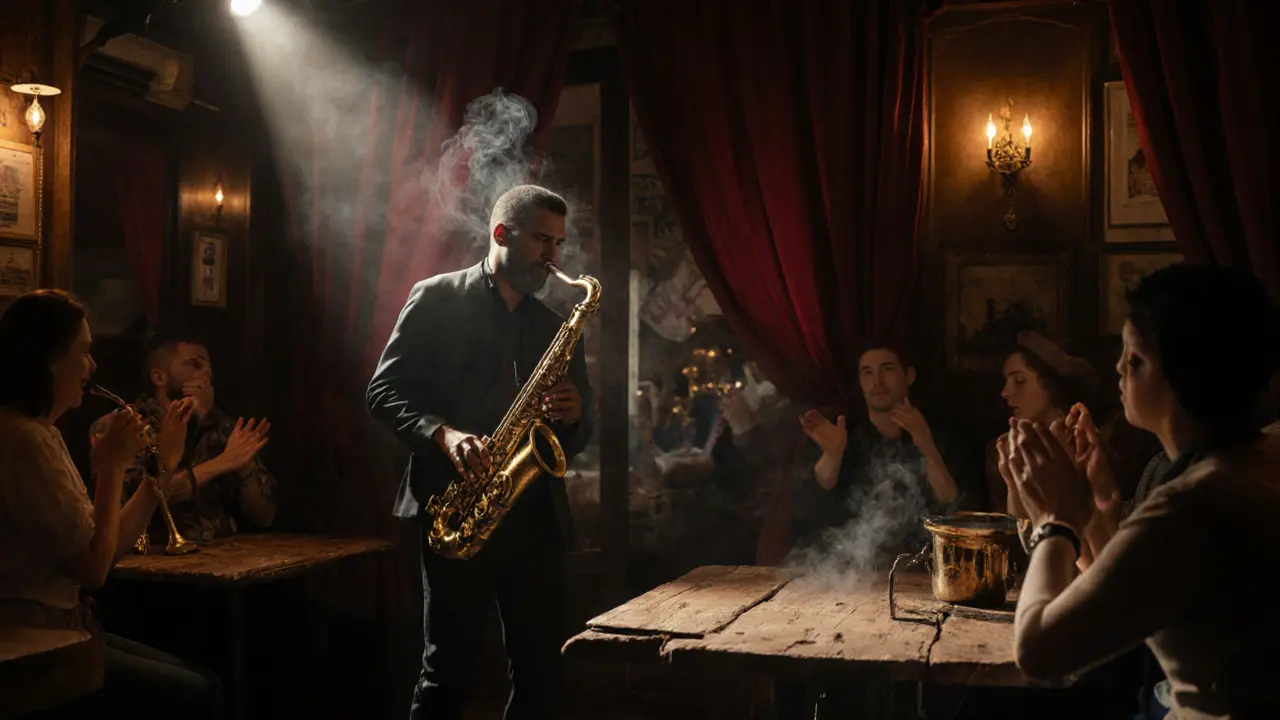
Paris doesn’t sleep when the sun goes down. While the Eiffel Tower glows and the Seine reflects the city lights, something else happens-music takes over. Not just any music. Jazz that drips like midnight wine in dimly lit basements. Electro that pulses through warehouse clubs where the walls breathe with bass. And everything in between, where old-school cabarets bump shoulders with underground techno dens. This isn’t just a list of places to go out. This is a map to the real Paris after dark.
Where Jazz Still Breathes in Paris
You don’t need to go far to find jazz that feels alive. In the 6th arrondissement, Le Caveau de la Huchette has been swinging since 1946. It’s not a museum. It’s a living room where musicians play like they’re improvising for friends. The air smells of tobacco and old wood. The crowd? Tourists, yes-but also locals who’ve been coming for decades. They know when to clap, when to hush, and when to stand up and dance without shame.
Down in the 11th, Sunset/Sunside is where modern jazz meets global rhythms. French musicians here blend North African percussion, Brazilian samba, and free jazz into something new. You’ll hear a trumpet solo that sounds like a cry from the past, then a synth pad that pulls you into the future-all in the same set. The seating is tight. The sound is perfect. And the wine list? Simple. Good. French.
Don’t miss La Cigale on a Tuesday night. It’s not a jazz club by name, but every week, a different band-often from New Orleans or Montreal-plays intimate sets that feel like secrets shared over coffee. No cover charge before 10 PM. No velvet ropes. Just music that pulls you in before you even realize you’re standing still.
Electro Nights: Where Paris Gets Wired
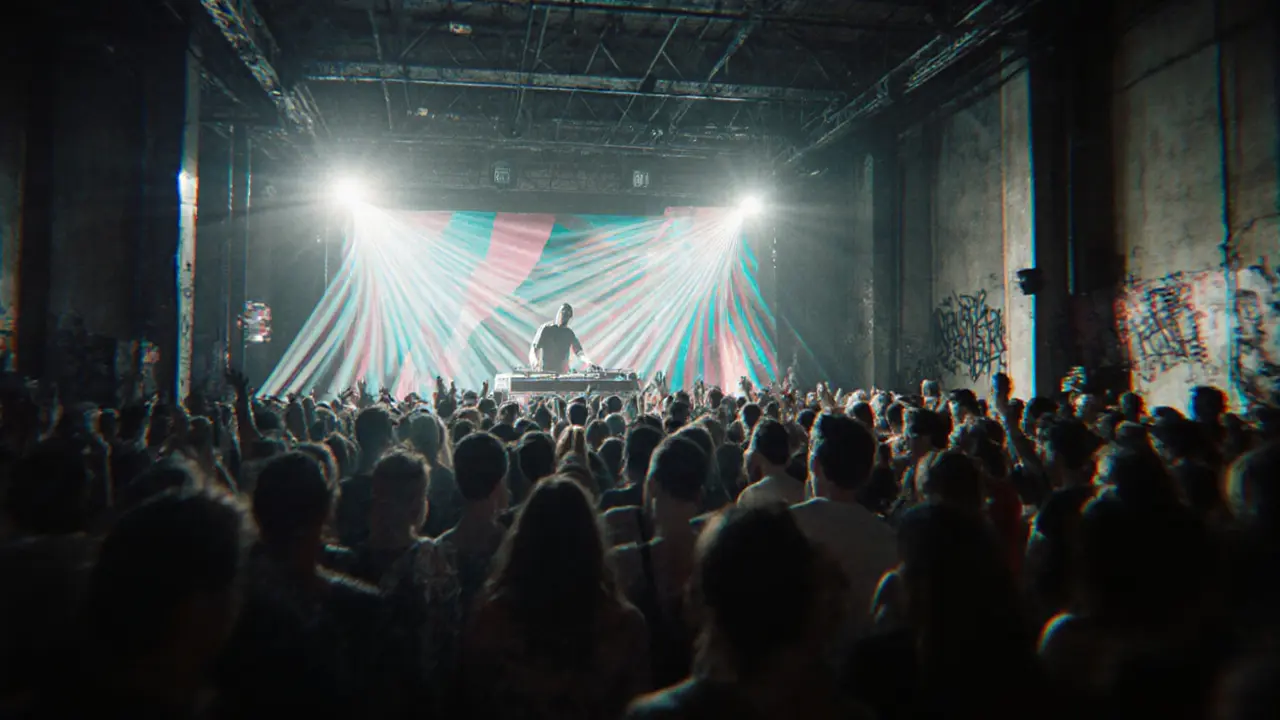
Paris’s electro scene doesn’t live in flashy clubs. It hides in former factories, abandoned train yards, and converted laundromats. The most famous? La Cigale might be jazz by day, but at 1 AM on Saturday, it’s La Bellevilloise that owns the night. The building looks like a 19th-century workers’ hall. Inside, the lights flash like old cinema projectors. The bass doesn’t just hit your chest-it vibrates your teeth. DJs here don’t play tracks. They build soundscapes. One minute, it’s Detroit techno. The next, it’s glitchy French house with vocals whispered in French and Arabic.
For something more raw, head to Le Trabendo in the 19th. It’s not big. It’s not polished. But it’s where new producers test their first EPs. You’ll hear beats you’ve never heard before-and might never hear again. People come here not to be seen, but to feel. The floor is sticky. The air is thick. And the music? It doesn’t ask for permission. It takes over.
And then there’s La Machine du Moulin Rouge-yes, that Moulin Rouge. But not the show. The basement. Once a rehearsal space for dancers, now a secret electro night run by a collective of artists. You need an invite. Or a friend who knows the password. The lighting is red. The sound is deep. And the crowd? Everyone from sound engineers to poets to students who skipped class to be here.
Everything in Between: The Hidden Gems
Paris nightlife isn’t just jazz or electro. It’s the space where they meet. In the 10th arrondissement, Le Baron used to be a dive bar. Now it’s a velvet-walled wonderland where a jazz trio plays before a DJ drops a remix of a 1970s French pop song. You’ll see a grandmother in a fur coat sipping champagne next to a teenager in headphones dancing like no one’s watching.
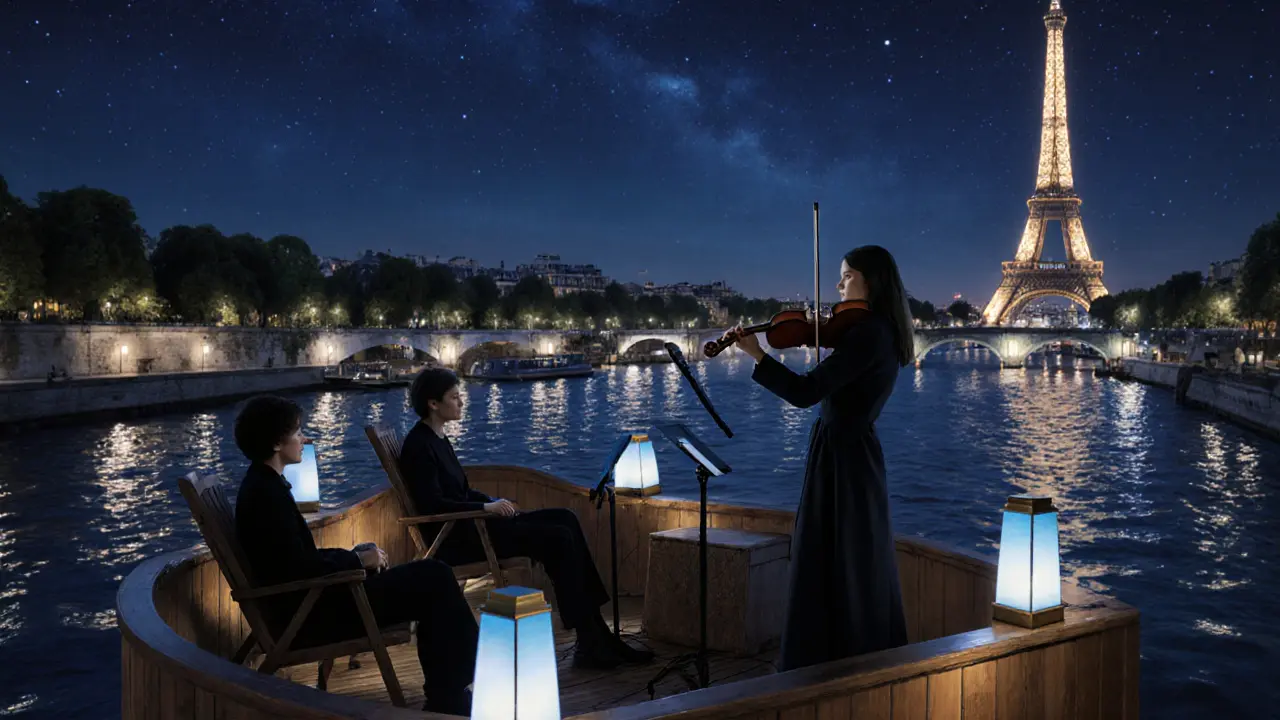
Le Petit Bain is a floating bar on the Seine. You board a converted barge, sip a gin tonic, and listen to a live set that shifts from ambient electronica to soulful vocals as the boat drifts past Notre-Dame. It’s not loud. It’s not crowded. It’s the kind of night that makes you forget your phone is in your pocket.
And then there’s Le Comptoir Général in the 10th. A jungle-themed lounge with vintage African instruments, Moroccan lanterns, and a sound system that plays everything from Congolese rumba to Berlin techno. It’s not a club. It’s a world. You might end up dancing with a woman from Senegal who just moved to Paris last week, or talking to a retired jazz drummer who played with Nina Simone in ’68.
When to Go and What to Wear
Paris nightlife doesn’t follow a strict schedule. Jazz clubs start at 9 PM. Electro spots don’t heat up until midnight. But the real magic? It’s after 2 AM. That’s when the crowd thins, the music gets deeper, and the locals take over.
What to wear? No dress codes. No bouncers checking your shoes. But here’s the unspoken rule: dress like you mean it. Not fancy. Not cheap. Just real. A leather jacket. A good pair of boots. A shirt that doesn’t wrinkle. You don’t need to look like you’re going to a gala. You just need to look like you belong.
And don’t bring a big bag. Most places don’t have coat checks. A small crossbody is enough. Cash is still king at the smaller spots. Cards work at bigger venues, but if you’re at Le Trabendo, you’ll want a 20-euro bill ready for the bar.
How to Find the Right Night
Don’t rely on Google Maps. Don’t trust Instagram influencers. The best nights are whispered.
Check Paris Jazz Club’s weekly calendar. They list every live set, from Sunday matinees to Thursday late nights. For electro, follow Paris Underground on Instagram-they post set times, locations, and secret codes 48 hours before the event. No photos. Just text. “Samedi. 2h. La Cité des Sciences. Bring a friend.”
Ask a bartender. Not the one in your hotel. The one at a quiet wine bar at 11 PM. Say, “Where’s the music good tonight?” They’ll look at you. Nod. And say, “Try La Bellevilloise. But come after 1 AM. Before that, it’s just tourists.”
What to Avoid
Steer clear of the tourist traps. The Eiffel Tower rooftop bars? Overpriced and underwhelming. The clubs near Champs-Élysées? Loud, crowded, and playing the same 10 songs on loop. You’ll pay 25 euros for a drink that tastes like sugar water.
And don’t expect English everywhere. Most DJs don’t speak it. Most bartenders won’t. That’s okay. You don’t need to understand the language to feel the music.
Final Tip: Stay Late, Stay Quiet
The best nights in Paris don’t end with a bang. They fade. Like a saxophone note that lingers after the last chord. Like the echo of a bassline as you walk home past empty streets. You won’t remember the name of the DJ. You won’t remember what you drank. But you’ll remember how the city felt-alive, breathing, endless.
So go. Not to check a box. Not to post a story. Go because you want to hear something real. Something that can’t be streamed. Something that only happens here.
What’s the best night for jazz in Paris?
Tuesday and Thursday nights are the quietest and most intimate for jazz. Le Caveau de la Huchette and Sunset/Sunside both have standout sets on these days. If you want live improvisation and fewer tourists, avoid weekends.
Are Paris nightclubs safe for solo travelers?
Yes, especially the underground spots. Jazz clubs and smaller electro venues are welcoming to solo visitors. Avoid crowded tourist bars near major landmarks. Stick to neighborhoods like the 10th, 11th, and 19th arrondissements. Most venues have friendly staff and a strong sense of community.
Do I need to book tickets in advance?
For big venues like La Bellevilloise or Le Comptoir Général, yes-especially on weekends. For smaller jazz bars like Le Caveau or Le Petit Bain, walk-ins are fine until 11 PM. After that, lines form. Check their websites or Instagram for reservation links.
Is Paris nightlife expensive?
It can be, but it doesn’t have to be. Jazz clubs often have no cover before 10 PM. Drinks cost 8-12 euros. Electro clubs charge 10-15 euros entry after midnight. Avoid tourist zones-there, a drink can cost 20 euros. Stick to local spots and you’ll get more music for less money.
What’s the latest I can stay out?
Most clubs close by 4 AM, but some, like La Cité des Sciences or Le Trabendo, stay open until 5 or 6 AM on weekends. Public transport stops around 1:30 AM, so plan ahead. Taxis and Uber are available, but prices spike after midnight. Walking home is part of the experience-just stick to well-lit streets.