When the sun sets over the Bosphorus, Istanbul doesn’t sleep-it transforms. The city’s nightlife isn’t just about drinking or dancing. It’s a living mosaic of Ottoman taverns, underground jazz dens, rooftop lounges with skyline views, and hidden wine cellars where centuries of culture still whisper. You won’t find a single scene here. You’ll find layers. One night, you’re sipping raki beside fishermen who’ve been doing it since the 1970s. The next, you’re in a converted 19th-century printing house where electronic beats pulse under stained-glass windows.
Where the Old Meets the New: Beyoğlu and İstiklal Avenue
Beyoğlu is Istanbul’s heartbeat after dark. İstiklal Avenue, once a colonial-era promenade, now hums with neon signs, street performers, and the smell of grilled mackerel from corner stalls. But look closer. Behind the souvenir shops and chain cafes, there are real places. Neon, a tiny bar tucked between a bookshop and a tailor, has been serving craft cocktails since 2012. Locals know it by the flickering red light above the door. No menu. Just ask the bartender what’s fresh.
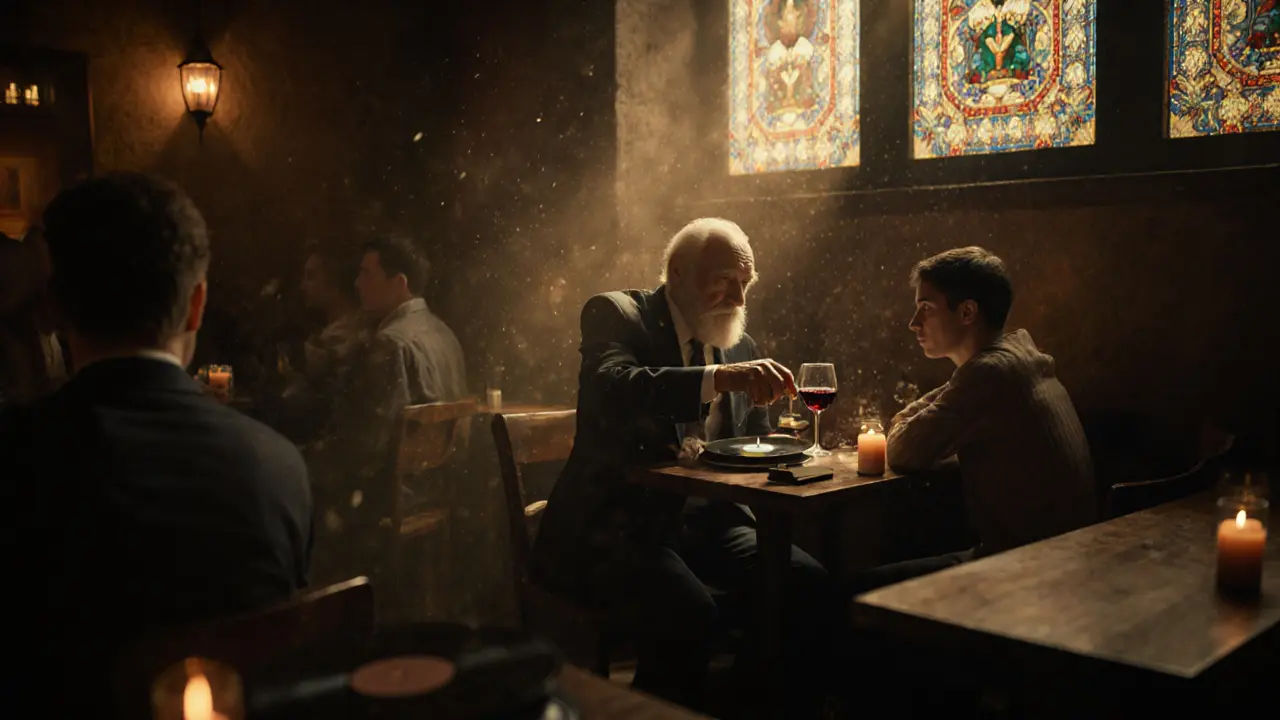
Down the street, in a basement beneath a 1920s apartment building, Bar 1912 plays vinyl-only jazz. No Wi-Fi. No phones allowed after 11 p.m. The owner, a retired opera singer, still pours the house red himself. He’ll tell you, in broken English, that this was where Turkish rock musicians hid during the military crackdowns of the 80s. Today, it’s where college students and expats sit shoulder-to-shoulder, listening to Billie Holiday as if it’s the first time.
The Hidden Wine Cellars of Kadıköy
Across the Bosphorus, Kadıköy feels like a different city. Quieter. Slower. More intimate. On Moda Street, you’ll find Yalçın’s Wine Cellar, a place that opened in 2008 and still doesn’t have a website. The walls are lined with 400+ bottles of Turkish wine-mostly from the Aegean and Cappadocia. The owner, Yalçın, doesn’t speak much. He just hands you a glass and waits. If you like it, he’ll pour another. If you don’t, he’ll hand you a slice of aged cheese and a glass of raki instead.
These aren’t tourist spots. They’re places where locals come to unwind. You won’t find bouncers or velvet ropes. Just old wooden tables, candlelight, and the occasional accordion player who shows up on Thursdays. The wine here isn’t imported. It’s made by families who’ve been growing grapes since before the Republic.
Club Culture: From Underground to International
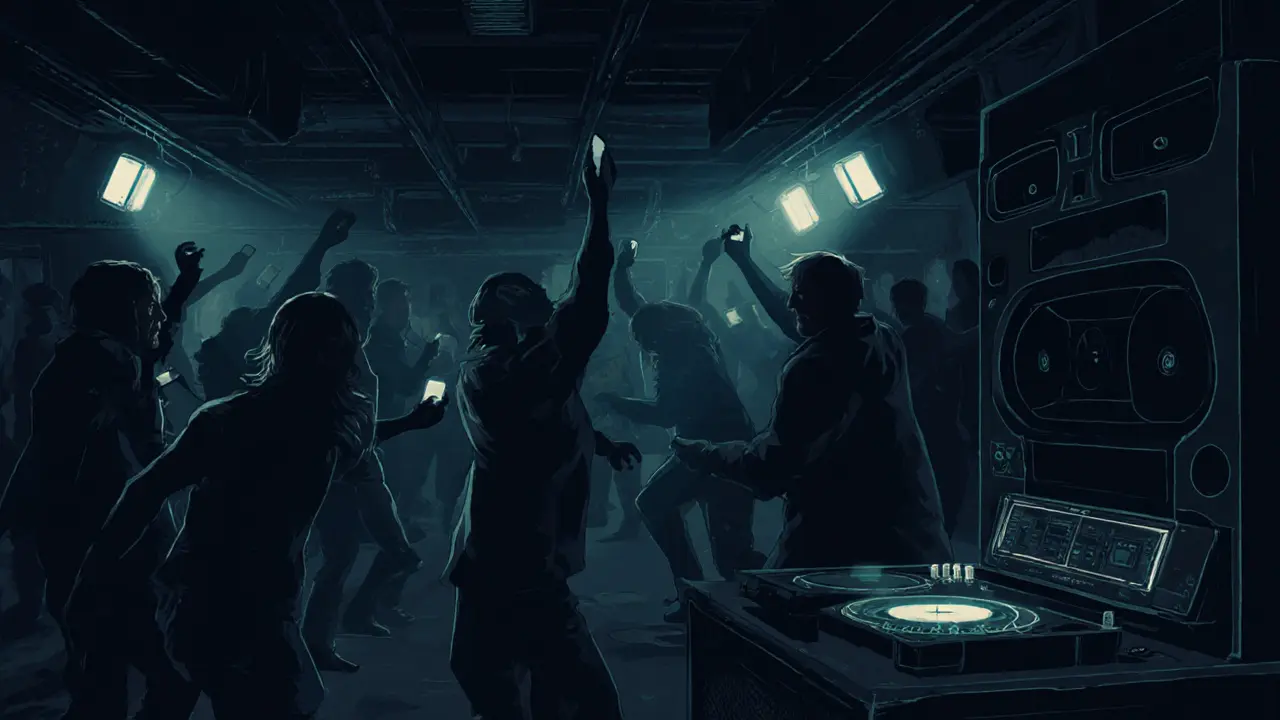
When it comes to clubs, Istanbul doesn’t do mainstream. The big names-Reina, Karaköy, Kasa-are flashy, expensive, and crowded. But the real pulse is underground. Bar 1912 isn’t the only basement gem. In the industrial zone of Tuzla, Yalnız opens only on weekends. No sign. No website. You get the address via WhatsApp from someone who’s been there. Inside, it’s dark. The sound system is custom-built. The DJs play rare Turkish disco from the 70s, mixed with Berlin techno and Kurdish folk loops. No one knows who runs it. But everyone knows when to show up.
These places aren’t about VIP tables or bottle service. They’re about sound, space, and silence between beats. Some nights, the power goes out. People don’t leave. They dance by phone light.
The Raki Ritual: More Than a Drink
You can’t talk about Istanbul nightlife without talking about raki. It’s not just an alcoholic beverage. It’s a ritual. Served with ice and water, it turns cloudy white-the way Turkish coffee turns dark. You sip it slowly, with meze: olives, cheese, grilled eggplant, fried mussels. It’s eaten with your fingers. Conversation flows. Time slows.
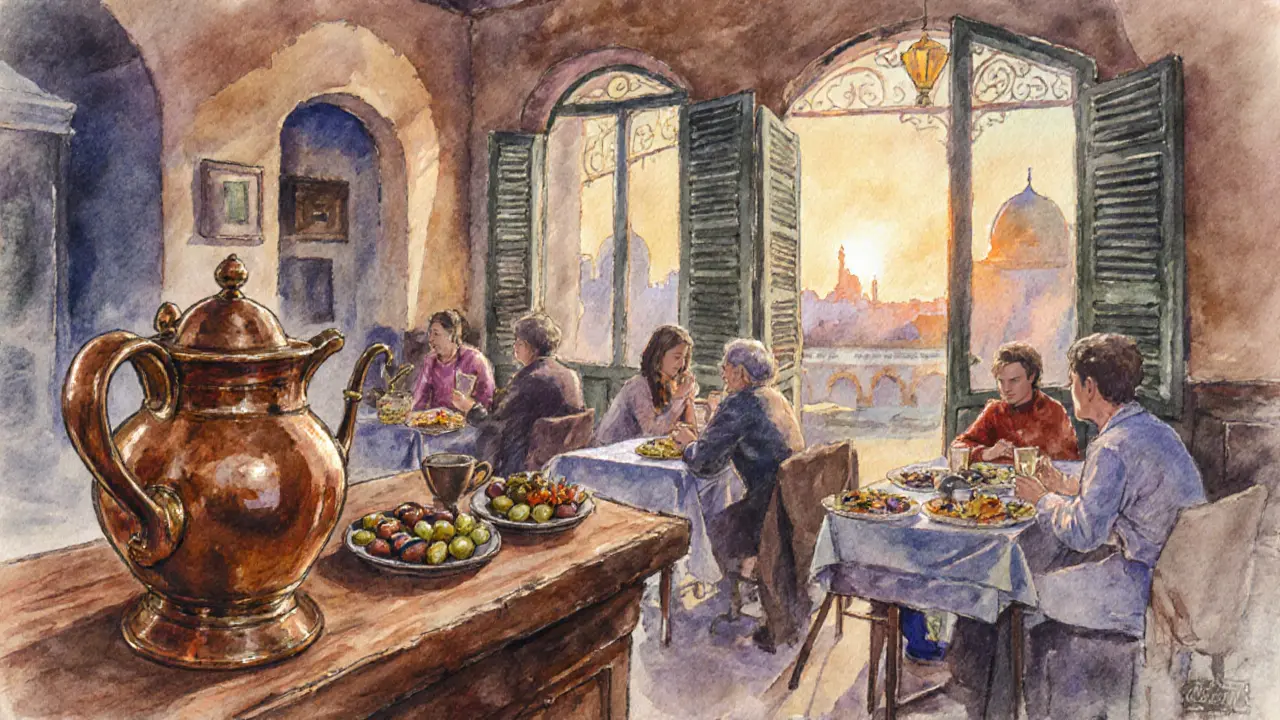
At Asmalı Mescit, a 100-year-old tavern in Beyoğlu, the owner still uses the same copper raki pots his grandfather bought in 1923. He doesn’t charge by the glass. He charges by the hour. You sit. You talk. You eat. You leave when you’re ready. No one rushes you. No one asks for your ID. You’re just another guest in a long line of guests.
When the City Sleeps: 24-Hour Coffee and the Dawn Patrol
Istanbul doesn’t end when the clubs close. At 4 a.m., the city shifts again. In Fatih, Çiya Sofrası serves hot simit and çay to night owls and taxi drivers. In Karaköy, İstanbul Kahvesi has been open since 1987. No music. No Wi-Fi. Just strong coffee, a few chairs, and men who’ve been coming here since they were teenagers.
These are the places where the night ends-not with a bang, but with a quiet sip. You’ll see students reviewing exams, artists sketching, and old men playing backgammon under flickering lamps. The city doesn’t shut off. It just changes rhythm.
What to Avoid: Tourist Traps and Empty Vibes
Not every place with a sign saying “Istanbul Nightlife” is worth your time. Stay away from the “Turkish Night” shows in Sultanahmet. The belly dancers are paid by the hour. The music is pre-recorded. The food is frozen. You’re not experiencing culture-you’re watching a performance designed for Instagram.
Same goes for rooftop bars that charge 400 TL for a gin and tonic. Yes, the view is stunning. But the vibe? Artificial. The staff? Polite but distant. You’re not part of the scene. You’re just another customer.
Real nightlife here isn’t about looking good. It’s about feeling something. A memory. A connection. A moment that stays with you long after the last drop.
How to Navigate: Tips for the First-Time Visitor
- Learn a few Turkish phrases. “Teşekkür ederim” (thank you) goes further than any tip.
- Carry cash. Many small bars don’t take cards.
- Use the tram on İstiklal. It runs until 2 a.m. and saves you from walking miles.
- Don’t rush. One night in Beyoğlu is better than three in a club.
- Ask locals. Not hotel staff. Ask the guy fixing your shoes. The barista. The bus driver.
There’s no map for this. No app that captures the soul of a place. You have to wander. Get lost. Listen.
Final Thought: Istanbul Doesn’t Have a Nightlife. It Has a Night.
This isn’t a city that turns on lights after dark. It wakes up. The noise isn’t loud-it’s layered. The music isn’t played-it’s passed down. The drinks aren’t served-they’re shared. The people aren’t entertained-they’re connected.
When you leave Istanbul at dawn, you won’t remember the name of the club. You’ll remember the smell of raki and grilled fish. The sound of laughter in a basement. The way the call to prayer faded into a jazz saxophone. That’s not nightlife. That’s life, lived out loud.
Is Istanbul nightlife safe for tourists?
Yes, Istanbul’s nightlife is generally safe for tourists, especially in well-traveled areas like Beyoğlu, Karaköy, and Kadıköy. The city has a strong police presence in nightlife districts, and locals are often protective of visitors. Avoid isolated alleys after midnight, don’t flash expensive items, and stick to places where locals gather. Most bars and clubs have security, but the real safety comes from blending in-dress casually, avoid loud behavior, and respect local customs.
What’s the best night to experience Istanbul’s nightlife?
Friday and Saturday nights are the busiest, but they’re also the most crowded and expensive. For a more authentic experience, go on a Wednesday or Thursday. The crowds thin out, prices drop, and the real regulars come out. Many underground venues only open on weekends, but places like Yalçın’s Wine Cellar and Bar 1912 are lively all week. If you want to catch live music or DJ sets, check local event pages-many small venues post updates on Instagram.
Do I need to dress up for Istanbul clubs?
It depends on where you go. Upscale venues like Reina or Kasa require smart casual-no shorts, flip-flops, or tank tops. But most underground bars, wine cellars, and jazz spots are completely relaxed. Jeans, a clean shirt, and closed shoes are fine. The key isn’t looking fancy-it’s looking respectful. Turks value neatness and modesty, even at night. Avoid flashy logos, excessive perfume, or overly revealing clothes if you want to blend in.
Can I find English-speaking staff in Istanbul bars?
In tourist-heavy areas like İstiklal Avenue or Karaköy, yes-many bartenders speak English. But in the hidden spots, like Yalnız or Bar 1912, staff may speak little to no English. That’s part of the charm. Bring a translation app, learn a few Turkish phrases, or simply point and smile. Many places have picture menus. The best experiences happen when you let go of language and just feel the vibe.
What’s the legal drinking age in Istanbul?
The legal drinking age in Turkey is 18. You’ll be asked for ID at most bars and clubs, especially if you look under 25. Carry your passport or a copy of your ID. Some places, especially small taverns, may not check, but it’s better to be prepared. Alcohol sales are banned between 10 p.m. and 6 a.m. in convenience stores, but bars and restaurants can serve until closing.
Are there any cultural taboos I should know about?
Yes. Avoid public drunkenness-it’s frowned upon, even if it’s legal. Don’t drink alcohol during Ramadan unless you’re in a designated tourist area. Never refuse a glass of tea or raki if offered-it’s seen as rude. Don’t take photos of people without asking, especially in smaller, local spots. And never raise your voice or argue loudly in public. Turks value calm, respectful interaction, even in lively settings.
How much should I budget for a night out in Istanbul?
You can have a full night out for under 500 TL ($15) if you stick to local spots. A glass of raki with meze costs 80-120 TL. A beer in a bar is 100-150 TL. A cocktail in a trendy spot is 200-300 TL. If you’re going to a rooftop or club, expect to pay 300-600 TL for entry and drinks. Skip the tourist traps-those can cost 1,000 TL or more for a single drink. The best value is always in the side streets, not the main avenues.