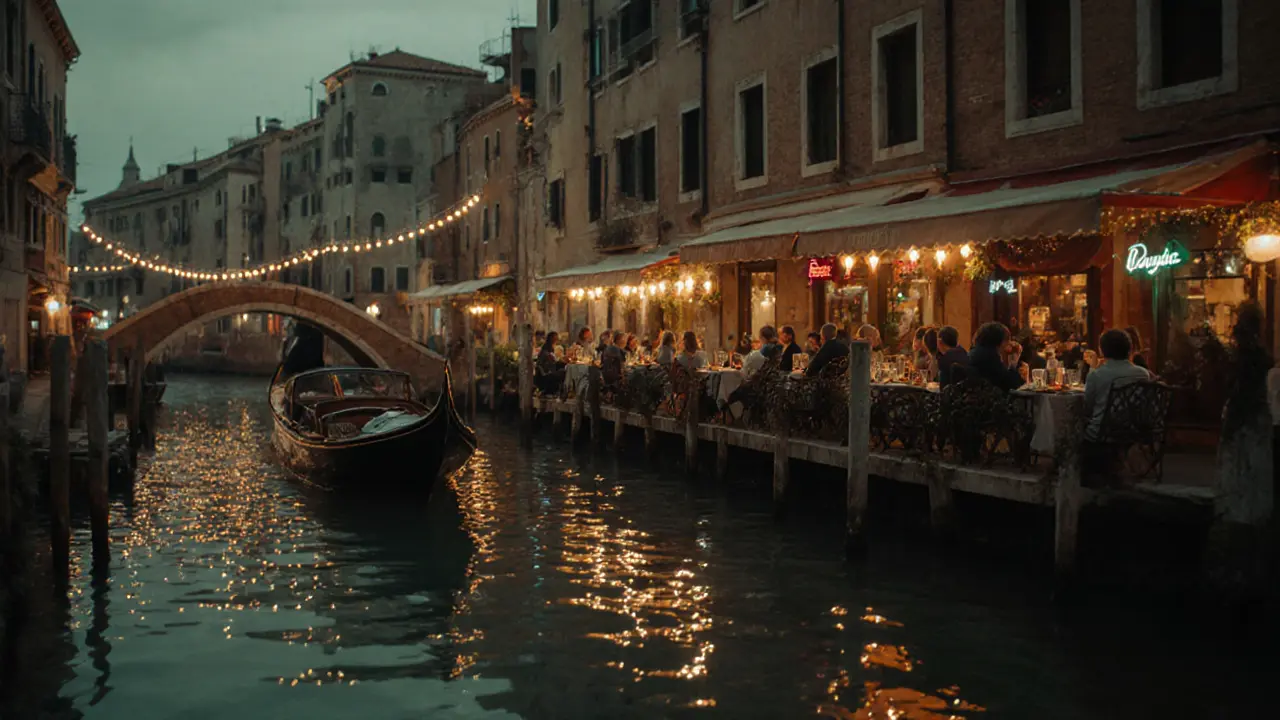
When the sun sets in Milan, the city doesn’t sleep-it transforms. The same streets lined with designer boutiques and historic architecture become pulsing corridors of music, laughter, and neon lights. This isn’t just a party scene. It’s a cultural rhythm shaped by fashion, art, and centuries of Italian social life. If you want to experience Milan after dark, you need more than a list of hotspots. You need to know where the locals go, when the real energy starts, and which places actually deliver on the hype.
Where the Night Begins: Naviglio Grande
Start your night on the canals of Naviglio Grande. This is where Milanese professionals unwind after work, and tourists blend in without standing out. The area stretches for over a kilometer, lined with outdoor terraces, live jazz, and craft cocktail bars. Don’t expect club bass here. Instead, you’ll find Bar Basso, the birthplace of the Negroni Sbagliato, still serving it exactly how it was made in 1972. The vibe is relaxed, the crowd is mixed-students, artists, bankers-and the drinks are priced like a local’s treat, not a tourist’s trap.Walk a little further and you’ll hit La Zucca, a cozy spot with natural wine lists and small plates that feel like home cooking. It’s open until 2 a.m., and by 1 a.m., the terrace is full of people talking louder than they did at dinner. This isn’t nightlife for show. It’s nightlife for connection.
The Club Scene: Where Milan Dances
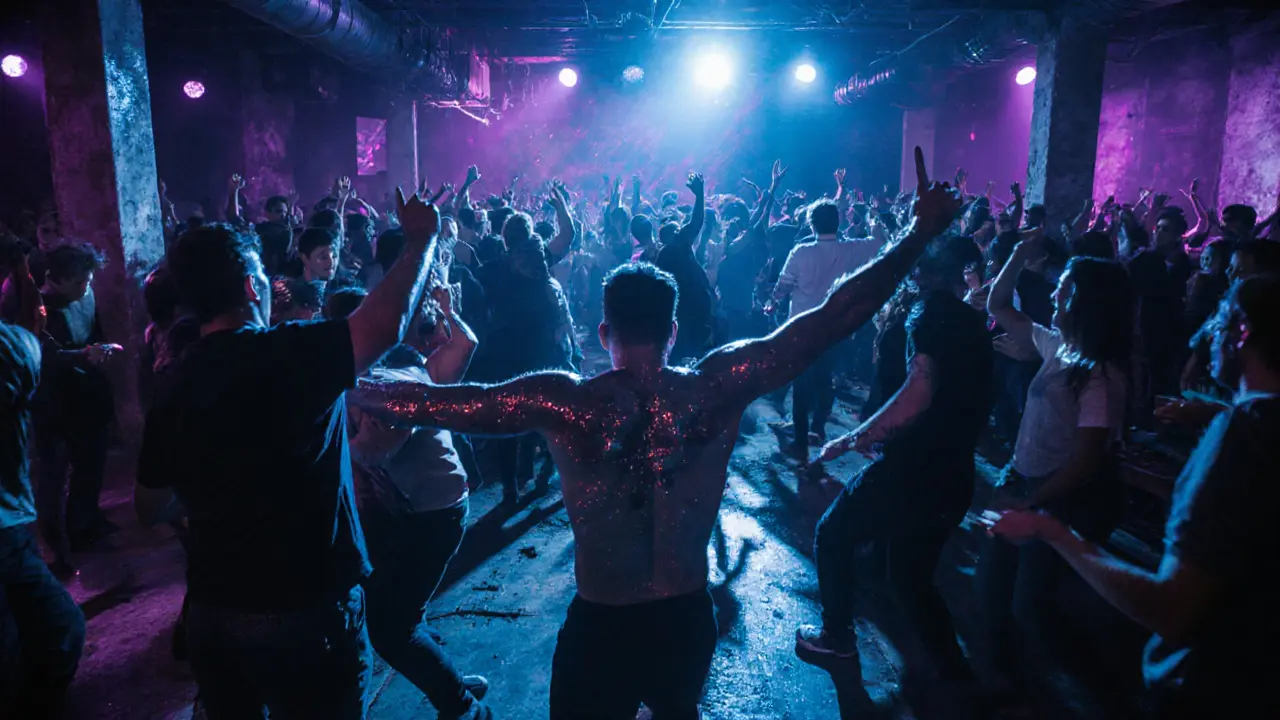
If you’re looking for beats that make your chest vibrate, head to Club 14 in the Porta Venezia district. This isn’t a chain club. It’s a converted industrial space with a sound system imported from Berlin, and a resident DJ who’s played at Berghain. The crowd here is young, diverse, and doesn’t care about labels. Entry is €15 after midnight, and the line moves fast if you show up before 1 a.m. No VIP tables. No bottle service. Just music, sweat, and a dance floor that doesn’t clear until sunrise.For something more underground, try Magazzini Generali. Located in a former warehouse near the city’s main train station, it’s open only on weekends and only after 11 p.m. The lineup changes weekly-house, techno, experimental electronic-but the vibe stays raw. No one takes photos. No one posts online. You’ll know you’re in the right place when you hear a track no one else has played this year.
Don’t skip Armani Privé if you want to see Milan’s fashion elite in their natural habitat. It’s not a club you walk into-you get invited. Or you know someone who knows someone. The dress code is strict: no sneakers, no logos, no jeans. But if you make it in, you’ll see models, designers, and editors dancing under chandeliers while a live DJ spins deep disco. It’s exclusive, but not snobby. It’s just quiet, elegant, and very, very Milanese.
Lounges That Feel Like Secret Gardens
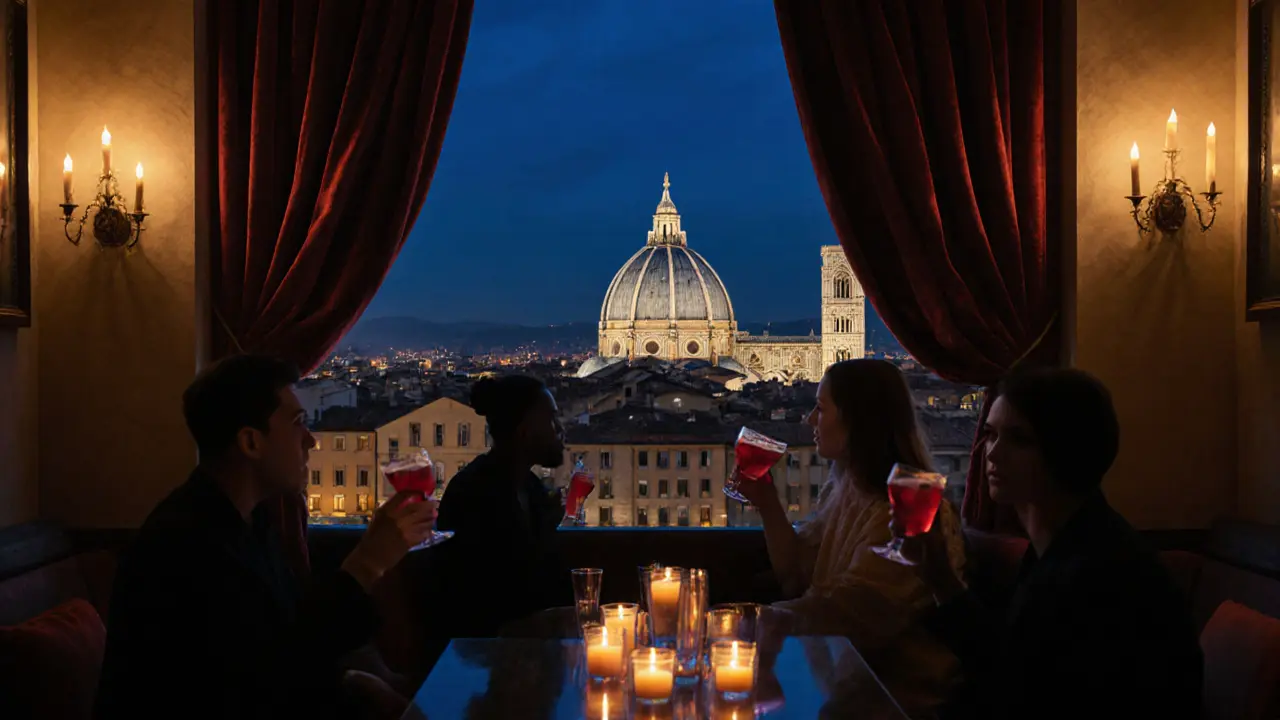
Not everyone wants to dance. Some nights call for a quiet sip, soft lighting, and conversation that lasts until the coffee runs out. That’s where lounges like La Cucina del Gatto come in. Hidden behind an unmarked door in Brera, this place feels like stepping into a 1950s Italian film. Velvet couches, candlelit tables, and a cocktail menu that changes monthly based on seasonal herbs from the owner’s garden. Try the Amarena Negroni-it’s made with local cherries and takes 48 hours to infuse.For a rooftop view without the tourist crowds, head to Terrazza Aperol on the top floor of the Four Seasons hotel. The view of the Duomo is unbeatable, and the Aperol Spritz is poured just right-not too sweet, not too fizzy. It’s open until 1 a.m., and the music is ambient jazz, not EDM. You’ll see couples, solo travelers, and older Milanese men in suits, sipping slowly and watching the city lights flicker on.
When to Go: Timing Is Everything
Milan doesn’t wake up at midnight. It wakes up at 1 a.m. Bars don’t get busy until after 11 p.m. Clubs don’t hit their stride until 1:30 a.m. If you show up at 9 p.m. expecting a party, you’ll be the only one there. Locals eat dinner at 9:30 p.m., then head out. That’s when the real night begins.Weekends are packed, especially Friday and Saturday. But Thursday nights are when the locals test new spots. Many clubs host special events on Thursdays-lower cover, new DJs, experimental sets. If you want to avoid crowds and still feel the pulse, go Thursday.
Also, remember this: Milan doesn’t do 24-hour parties. Most clubs close by 5 a.m. Bars stay open until 6 a.m. But if you want to keep going, head to Bar Basso again. They serve espresso at 6 a.m., and the baristas know your name by the third visit.
What to Wear: Dress Like You Belong
Milan is not Paris. It’s not London. It’s Milan. You don’t need to wear a tuxedo, but you can’t show up in sweatpants. The rule is simple: clean, tailored, understated. Dark jeans, a fitted shirt, leather shoes. No logos. No baseball caps. No flip-flops. Even in summer, people dress like they’re going to a gallery opening.At Armani Privé, the dress code is enforced. At Club 14, it’s not. But even there, the people who stand out for the wrong reasons are the ones trying too hard. The best look in Milan is the one that looks like you didn’t try at all.
How to Get Around
Public transport runs until 1:30 a.m. on weekdays and 2:30 a.m. on weekends. After that, you’ll need a taxi or ride-share. Uber is available, but local apps like Free Now or ItTaxi are cheaper and faster. Don’t rely on walking between districts-Milan is big, and the streets get quiet after midnight.If you’re staying near the Duomo or Brera, you can walk to most bars. But if you’re heading to Porta Venezia or the Navigli, take a taxi. It’s €10-15 across town, and you’ll thank yourself when you’re not lost at 3 a.m.
What to Skip
Avoid the tourist traps near the Duomo. Places like La Terrazza or Bar Camparino are nice for aperitivo, but they’re packed with people taking selfies. The music is piped in. The drinks are overpriced. The vibe is performative.Same goes for the clubs that advertise “VIP access” on Instagram. If you have to pay €100 just to get in, you’re paying for the illusion, not the experience. Milan’s best nights aren’t booked online. They’re found by asking the bartender, “Where do you go after your shift?”
Final Tip: Be Present
Milan’s nightlife isn’t about checking off clubs. It’s about the conversations you have between songs. The strangers who become friends because you both loved the same track. The way the city smells like espresso and rain at 4 a.m. It’s not loud. It’s not flashy. It’s real.Don’t rush. Don’t chase the next place. Stay in one spot long enough to notice the details-the way the light hits the glass, the name of the bartender, the song that makes you stop talking just to listen.
That’s when you’ll understand why Milan doesn’t just have nightlife. It has soul.
What time do clubs in Milan usually open?
Most clubs in Milan don’t really get going until after 1 a.m. Doors open around midnight, but the real energy starts between 1:30 a.m. and 2 a.m. If you show up earlier, you’ll be one of the first few people there. Locals typically eat dinner at 9:30 p.m. and head out after that.
Is Milan nightlife expensive?
It depends. Bars in Naviglio Grande or Brera charge €8-12 for a cocktail, which is fair for the quality. Clubs like Club 14 charge €15-20 cover after midnight. High-end lounges like Armani Privé don’t have a cover, but drinks cost €20-30. Avoid tourist spots near the Duomo-they charge €18 for a basic Aperol Spritz. Stick to local favorites for better value.
What’s the dress code in Milan’s clubs?
No sweatpants, no flip-flops, no obvious logos. Clean, dark jeans or tailored pants, a nice shirt or blouse, and closed shoes work for most places. At Armani Privé, it’s strict: no sneakers, no jeans, no casual wear. At underground spots like Magazzini Generali, it’s relaxed-just don’t show up looking like you just got off work. The goal is effortless style, not costume.
Are there any gay-friendly venues in Milan?
Yes. The Porta Venezia area is known for being open and welcoming. Bar La Bodeguita and Club 14 both have strong LGBTQ+ crowds and events. Le Bistrot on Via Torino is a long-standing favorite for drinks and live music. Milan is generally very accepting, and you’ll find inclusive spaces without having to search hard.
Can you drink alcohol on the street in Milan?
No. Drinking alcohol on the street is illegal in Milan, especially in tourist areas and near the Duomo. Police can fine you up to €500 if caught. Stick to bars, terraces, or private spaces. Even though it’s common in other cities, Milan enforces this rule, especially during summer and holidays.
What’s the best night to go out in Milan?
Friday and Saturday are the busiest, but Thursday nights are where the locals discover new spots. Many clubs host special events on Thursdays-lower prices, new DJs, experimental music. If you want to avoid crowds and still have a great night, Thursday is your best bet. Sunday nights are quiet, but some lounges like La Cucina del Gatto stay open with live acoustic sets.