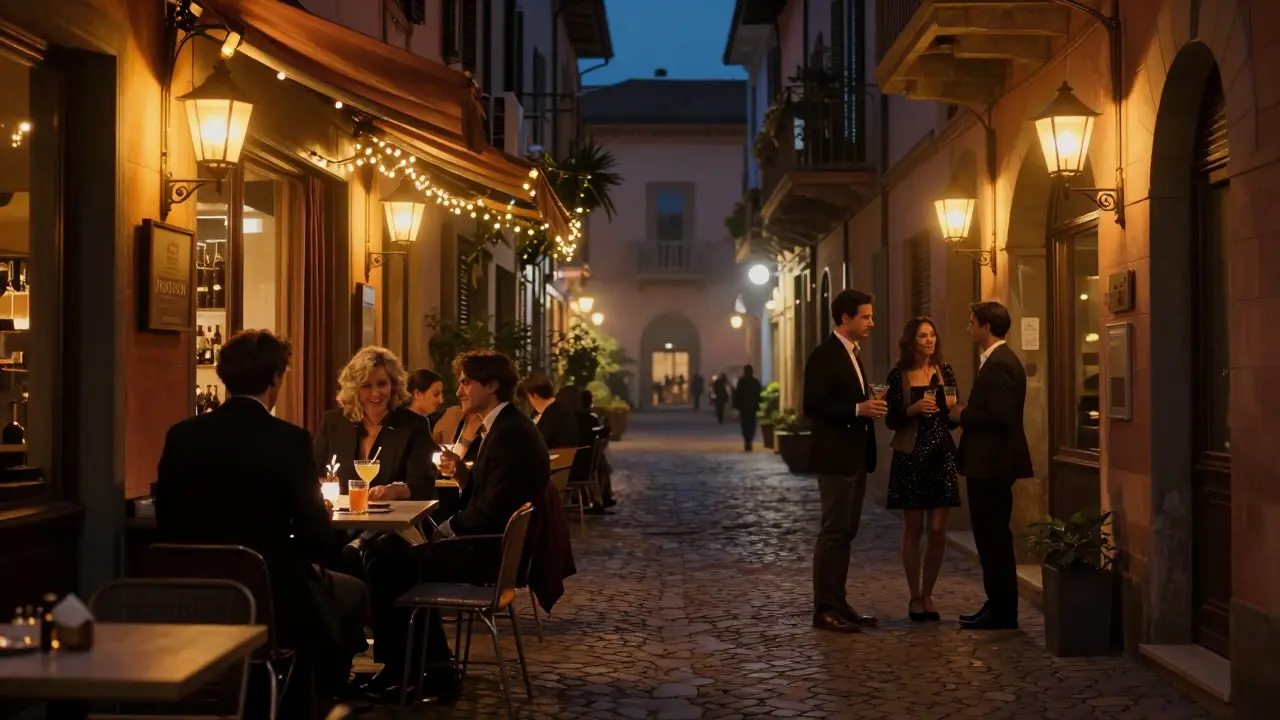
When the sun sets in Milan, the city doesn’t sleep-it switches modes. The same streets where designers showcase the latest collections by day transform into pulsing corridors of music, laughter, and neon by night. This isn’t just another European nightlife scene. Milan’s party culture is sharp, stylish, and deeply rooted in its identity as a global capital of fashion, art, and food. If you’re looking for a night out that feels like stepping into a movie set-where every corner has a story, and every bar has a vibe-you’ve come to the right place.
Where the Locals Go After Dark
Forget the tourist traps. The real Milan nightlife starts where the locals do: in Brera. This historic neighborhood, with its cobblestone alleys and dimly lit wine bars, is where professionals unwind after work. Try Bar Basso, famous for inventing the Negroni Sbagliato. It’s small, unassuming, and packed with people who know their cocktails. You won’t find a menu here-you’ll be handed a glass based on what you’re in the mood for. That’s the Milanese way: confidence, not clutter. Head to Navigli after 10 p.m., and you’ll find a different energy. The canals come alive with open-air bars, live jazz, and people dancing on wooden docks. The area stretches from Porta Genova to Muzza, and each stretch has its own flavor. Bar Basso Navigli is a classic, but newer spots like La Vineria del Naviglio serve natural wines and craft beers with a view of the water. On weekends, the whole district feels like one long street party, with no clear start or end.The Club Scene: From Underground to Elite
Milan’s clubs aren’t just places to dance-they’re cultural institutions. La Scala might be the opera house, but Magazzini Generali is the temple of electronic music. This former warehouse turned venue hosts world-class DJs like Charlotte de Witte and Amelie Lens. The sound system alone is worth the trip: deep bass that vibrates in your chest, lights that sync with the rhythm, and a crowd that moves as one. Tickets sell out fast, so book ahead. For something more underground, try Capo d’Africa in the Porta Ticinese district. It’s not glamorous, but it’s authentic. The playlist blends Afrobeat, techno, and Italian disco. The crowd? Artists, students, expats, and Milanese who’ve been coming since the 90s. You won’t find VIP sections or bottle service here-just good music and real people. If you’re after luxury, Le Jardin in the Brera area is the place. It’s a rooftop lounge with velvet couches, gin cocktails made with house-distilled botanicals, and a view of the city skyline. It’s not a club, but it’s where Milan’s elite start their night before heading to the bigger venues.Bars That Define the City’s Night
Milan’s bar culture is as refined as its fashion. You don’t just drink here-you experience. Bar Basso isn’t just famous for its cocktails; it’s a museum of mixology. The bartenders treat drinks like art, with precise measurements and hand-carved ice. The same attention to detail is found at Il Gatto Nero, where the menu changes monthly and each cocktail tells a story tied to Milanese history. For something more casual, Bar Campari in the Garibaldi district is a local favorite. It’s a 1950s-style bar with retro chairs, vinyl records, and a wall of Campari bottles. The staff remembers your name after one visit. You can get a Spritz for €6, sit on the sidewalk, and watch the city roll by.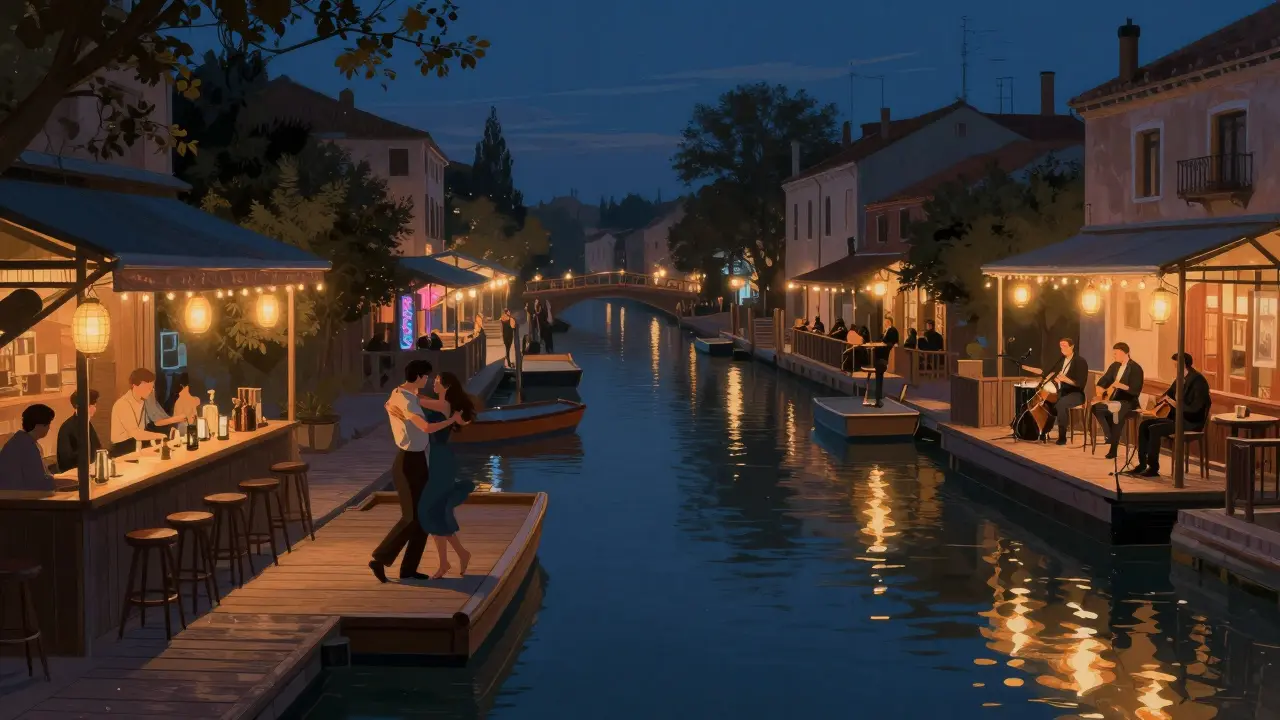
When to Go Out-Timing Matters
Milan doesn’t rush. Dinner doesn’t start until 8:30 p.m. Bars don’t fill up until 11 p.m. And clubs? They don’t really get going until 1 a.m. This isn’t a city that parties hard-it parties long. If you show up at midnight expecting a packed club, you’ll be disappointed. But if you arrive at 1:30 a.m., you’ll find the real energy. Weekends are packed, especially Friday and Saturday. But if you want to avoid crowds and still get the full experience, go on a Thursday. The vibe is relaxed, the drinks are cheaper, and the DJs are often experimenting with new sets. Many locals say Thursday is the best night to feel like a true Milanese.What to Wear-Style Isn’t Optional
You don’t need to wear a suit, but you do need to look intentional. Milanese people dress to impress-even on a Tuesday. Jeans are fine, but ripped or baggy ones? Not here. A clean pair of dark denim, a well-fitted shirt or blouse, and good shoes will get you past any door. Sneakers? Only if they’re minimalist and white. No flip-flops, no hoodies, no baseball caps. Women often wear tailored coats, silk scarves, or statement earrings. Men lean toward slim cuts, leather jackets, or linen blazers. The rule of thumb: look like you care, even if you’re just grabbing a drink.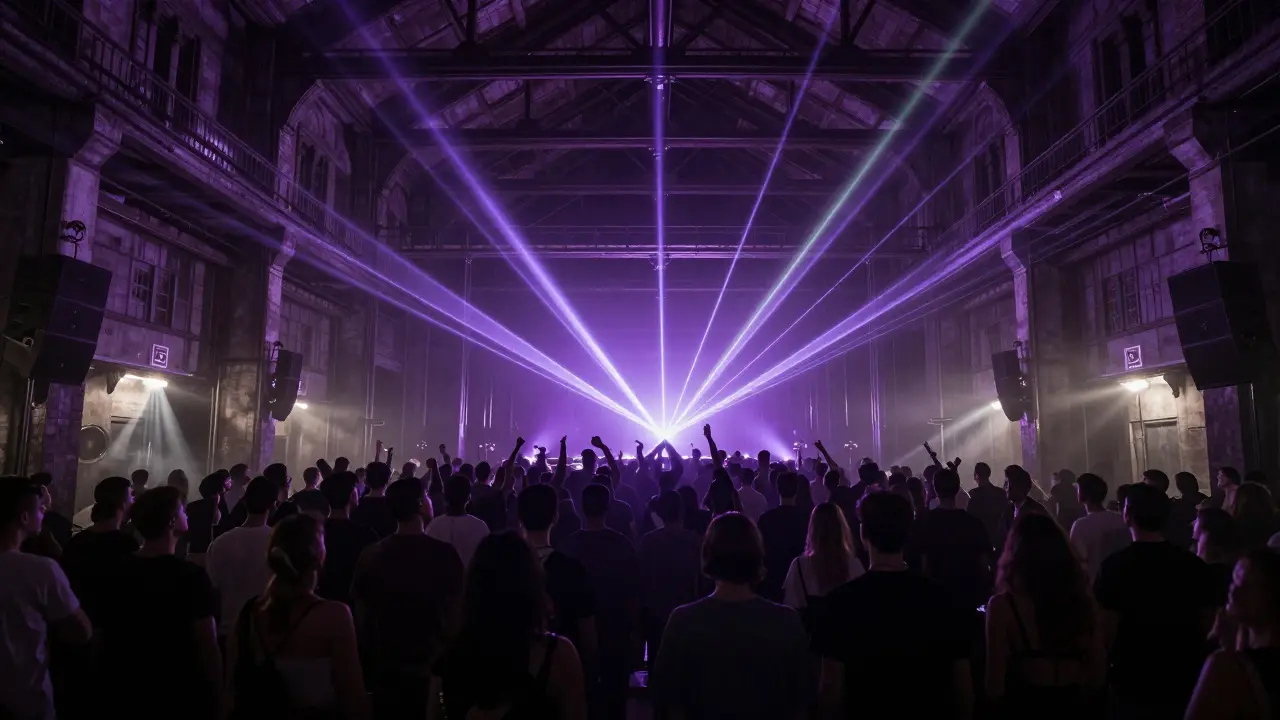
Hidden Gems and Local Secrets
Most visitors miss Teatro degli Arcimboldi-a former theater turned into a cultural hub that hosts live music, film screenings, and underground parties. It’s not on any tourist map, but locals know it. Entry is often free, and the crowd is diverse, creative, and welcoming. Another secret: La Fabbrica del Vapore. This industrial space hosts monthly art parties with live painting, experimental music, and DJs spinning vinyl from the 70s. It’s not loud, not crowded, and totally unlike anything you’ll find in Rome or Barcelona. If you’re into jazz, check out Blue Note Milano. It’s not as big as the New York original, but it’s just as authentic. The acoustics are perfect, the musicians are top-tier, and the crowd is quiet-listening, not shouting.What to Avoid
Don’t go to clubs that advertise "open bar" or "free entry before midnight." These are usually tourist traps with overpriced drinks and fake VIP lists. Stick to places locals recommend. Google reviews are unreliable here-ask someone who’s been living in Milan for more than a year. Also, avoid the area around Piazza del Duomo after midnight. It’s filled with pickpockets and aggressive touts trying to sell you overpriced cocktails. The real nightlife is a 10-minute metro ride away.Final Tips for a Perfect Night
- Transportation: The metro runs until 1:30 a.m. on weekends. After that, use a licensed taxi or Uber. Avoid unmarked cars. - Language: English is widely spoken in nightlife spots, but learning a few Italian phrases-"Un Aperol Spritz, per favore"-goes a long way. - Money: Most places take cards, but keep €20 in cash for small bars or cover charges. - Etiquette: Don’t raise your voice. Milanese people value calm, cool, and collected. Loudness isn’t fun here-it’s rude. - Timing: Start late, stay late. The best memories happen after 2 a.m.Milan’s nightlife isn’t about flashing cash or chasing trends. It’s about presence. It’s about sipping a perfectly made Negroni while listening to a jazz trio, or dancing under string lights by the canal as the city hums around you. This isn’t just a night out-it’s a moment in the rhythm of a city that knows how to live well.
What is the best time to visit Milan for nightlife?
The best time is from April to October, when outdoor bars in Navigli and rooftop lounges are open. Summer nights are long, and the energy is electric. Winter nightlife is quieter but more intimate-perfect for cozy wine bars and underground clubs. Avoid August, when many locals leave the city.
Are there any age restrictions for clubs in Milan?
Most clubs require you to be at least 18, but many upscale venues set the limit at 21. ID is always checked, even if you look older. Bring your passport or EU ID card-driver’s licenses from outside the EU aren’t always accepted.
Is Milan nightlife safe for solo travelers?
Yes, Milan is one of the safest major European cities for solo travelers at night. Stick to well-lit areas, avoid isolated streets after 2 a.m., and use official taxis. The nightlife districts like Navigli and Brera are heavily patrolled and full of people. Always trust your gut-if a place feels off, leave.
Do I need to book tickets for clubs in advance?
For major clubs like Magazzini Generali, Yes. Tickets often sell out days ahead, especially for international DJs. Smaller venues like Capo d’Africa or Bar Campari don’t require tickets-just show up. Always check the venue’s Instagram or website for events.
What’s the average cost of a night out in Milan?
A cocktail at a bar costs €10-15. A club entry fee is usually €10-20, sometimes free before midnight. Drinks inside clubs range from €12 to €18. If you’re hopping between bars and clubs, budget €50-80 for a full night. You can spend less if you stick to local spots like Bar Basso or La Vineria del Naviglio.