Milan doesn’t sleep when the sun goes down. While Rome has its piazzas and Venice its canals, Milan turns into a pulsing, stylish, no-nonsense party machine after 10 p.m. This isn’t the kind of city where you find karaoke bars and tourist traps. It’s where fashion meets bass, where cocktails are crafted like art, and where the crowd doesn’t care if you’re wearing designer gear - they care if you’ve got rhythm. If you’re a night owl, Milan’s nightlife isn’t just an option. It’s the whole point of being here.
Where the Night Starts: The Aperitivo Ritual
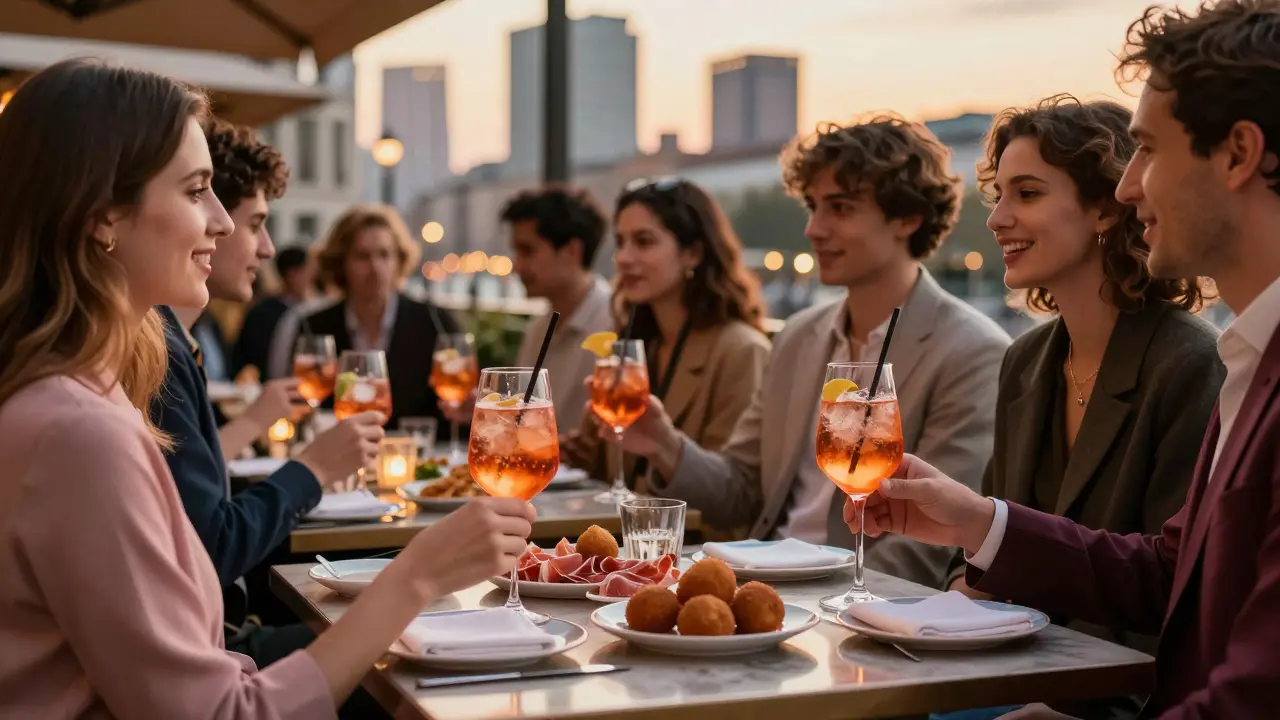
Before the clubs kick in, Milan does something no other city does quite like it: the aperitivo. Between 6 p.m. and 9 p.m., bars across the city turn into all-you-can-eat buffets. Pay €12-€18 for a drink - usually a Spritz, Negroni, or Aperol - and you get access to plates of cured meats, mini arancini, stuffed mushrooms, and even pasta. It’s not just a drink. It’s the warm-up act to the main show.
Head to Terrazza Aperol on Corso Buenos Aires for a view of the city skyline and a crowd that’s half locals, half international creatives. Or try Bar Basso, where the Negroni was invented in 1919. You’ll wait in line, but the drink is worth it. Skip the tourist traps near Duomo - they charge double for stale olives and plastic glasses.
Clubbing Like a Local: The Top Spots After Midnight
Milan’s clubs don’t open before midnight. And they don’t close until the sun comes up. The vibe? Minimalist, loud, and serious about music. This isn’t Las Vegas. There are no neon signs or bottle service queues. It’s about the sound, the crowd, and the energy.
La Scala Club sits under the famous opera house and plays underground techno and house. The crowd is mostly 25-35, dressed in black, moving like they’ve been trained. No VIP sections. No dress code beyond ‘don’t wear sneakers’. The sound system? Built by Italian engineers who’ve worked with Berlin’s Berghain. If you want real club culture, this is it.
Alcatraz is the city’s longest-running alternative venue. Since 1992, it’s hosted punk, industrial, and experimental acts. On weekends, it turns into a warehouse rave with three rooms, strobe lights, and a basement that feels like a bunker. The entry fee is €15, and they serve cheap beer in plastic cups. No frills. Pure chaos.
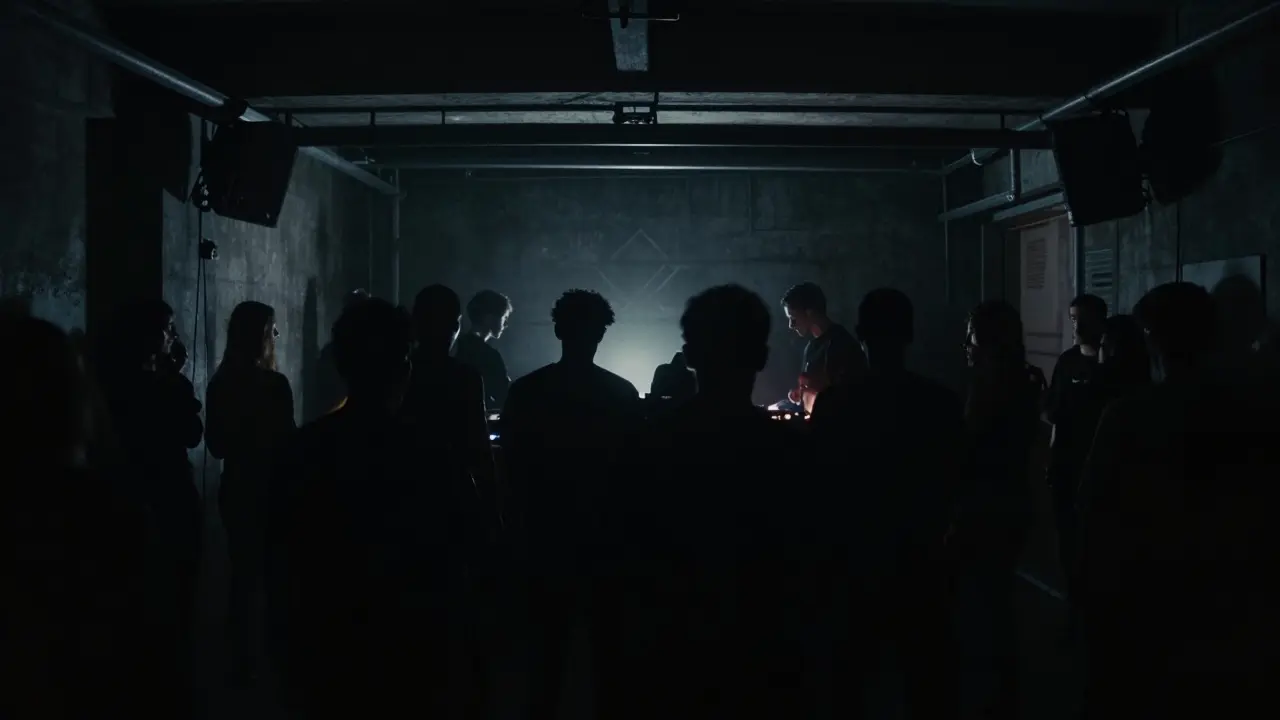
For electronic music heads, Magazzini Generali is a must. It’s a converted industrial warehouse in the Porta Genova district. International DJs play here weekly - from Amelie Lens to Marco Carola. The lighting is dark, the bass is deep, and the crowd doesn’t talk. They just move. Doors open at 1 a.m., and by 3 a.m., you’re ankle-deep in sweat and bass.
Bars That Feel Like Secret Societies
Not every night ends in a club. Some nights, you want to sit, sip, and talk. Milan has dozens of hidden bars that feel like members-only clubs - except anyone can walk in.
Il Salumiere is a tiny, candlelit bar behind a butcher shop in Brera. The bartender knows your name by the third visit. They serve rare Italian amari, vintage vermouths, and whiskey from small distilleries you’ve never heard of. Order the ‘Bitter Milanese’ - a mix of Aperol, gin, and orange peel. It’s the drink of choice for Milanese poets and architects.
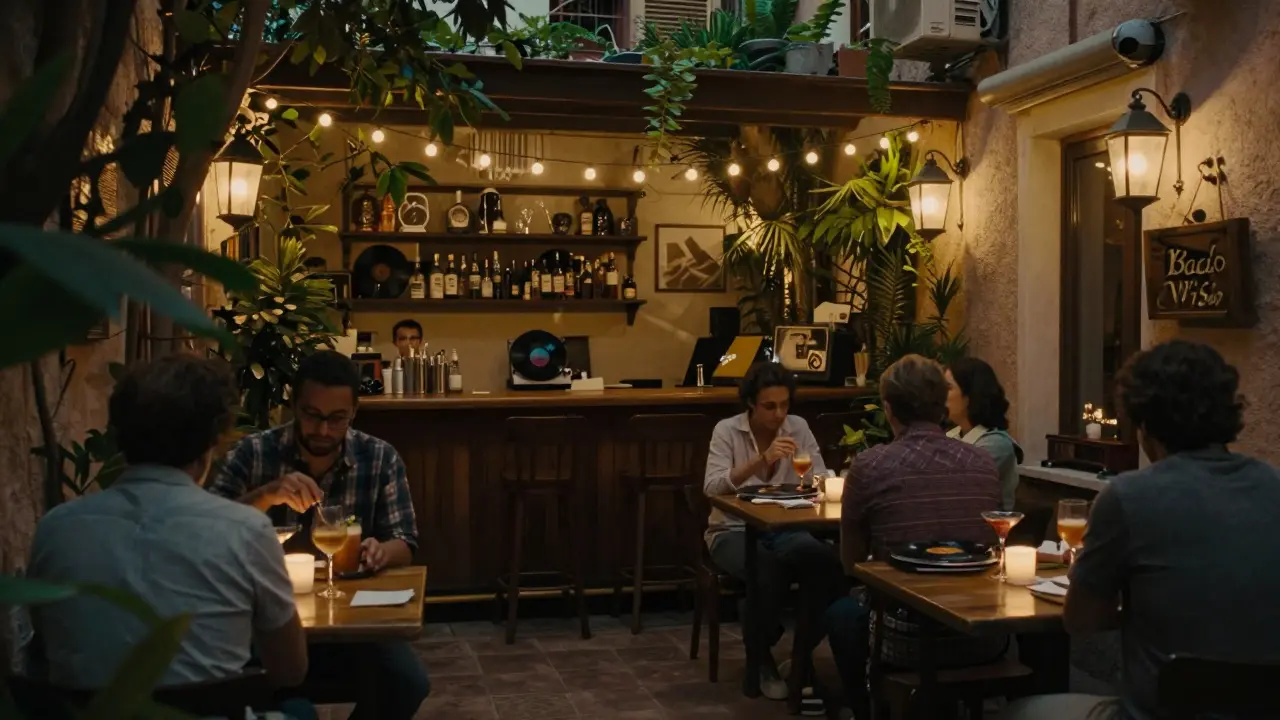
Bar del Fico is tucked into a courtyard off Via Tortona. No sign. Just a wooden door. Inside, you’ll find a garden with fairy lights, vinyl records spinning, and cocktails named after Italian films. The ‘L’Avventura’ - a gin-based drink with lavender and rosemary - tastes like a summer night in Tuscany. Reservations aren’t required, but showing up before 11 p.m. gives you a better chance at a seat.
For something more modern, try Bar Basso’s sister spot, Bar Basso Lounge. It’s quieter, with velvet couches and jazz on the speakers. Perfect if you want to end the night with a cognac and a conversation that lasts until 4 a.m.
Lounges for When You Want to Be Seen - But Not Too Hard
Milan’s lounges aren’t about flashing cash. They’re about presence. You don’t need a VIP list. You just need to know where to sit.
Skyline Rooftop Bar on the 15th floor of the Four Seasons Hotel gives you a 360-degree view of the Duomo and the city lights. The drinks are expensive - €22 for a martini - but the view is free. Go on a Thursday or Friday, and you’ll see models, designers, and entrepreneurs chatting like they’ve known each other for years. Don’t expect loud music. This is where people come to be seen, not to dance.
Le Perche in the Navigli district is a laid-back lounge with wooden decks, hanging lanterns, and a playlist of Italian indie rock. It’s the kind of place where you order a glass of Prosecco and end up talking to a graphic designer from Tokyo who just moved here. The vibe is warm, not flashy. And the crowd? Mostly locals who’ve lived here for decades.
What to Wear (And What Not To)
Milanese nightlife doesn’t have a dress code - it has a standard. You don’t need to look like a runway model. But you do need to look like you care.
Men: Dark jeans, a well-fitted shirt or turtleneck, and clean leather shoes. No hoodies. No sneakers unless they’re designer (and even then, only in certain clubs). Women: Tailored dresses, structured coats, or high-waisted pants with heels. Bare shoulders are fine. Bare feet? Not a chance.
The rule of thumb? If you’d wear it to a gallery opening, you’re good. If it came from a fast-fashion chain and has a logo on it, leave it at home. Milanese people notice. And they don’t care if you’re rich - they care if you’re intentional.
When to Go and How to Get Around
The nightlife clock in Milan runs on its own schedule.
- 6-9 p.m.: Aperitivo time. Start here.
- 10-11 p.m.: Head to your first bar or lounge.
- 12 a.m.-2 a.m.: Clubs open. Get there early. Lines form fast.
- 3-5 a.m.: Peak energy. This is when the real crowd shows up.
- 6 a.m.: Last call. Some bars serve espresso and croissants at this hour.
Public transport shuts down at 1:30 a.m. After that, you’ll need a taxi or ride-share. Uber is available, but local apps like FreeNow or ItTaxi are cheaper and more reliable. Avoid walking alone after 2 a.m. - even in the safest neighborhoods like Brera or Navigli.
Hidden Gem: The 24-Hour Café That Feels Like Home
After the clubs close, there’s one place that stays open - Caffè della Musica on Via Solferino. It’s a tiny, 1970s-style café with mismatched chairs, vinyl records on the wall, and a barista who remembers your name. They serve espresso, hot chocolate with whipped cream, and brioche with jam. At 5 a.m., it’s the only place in Milan where you can sit quietly, listen to Nina Simone, and feel like you’ve just lived the night you came here for.
What’s the best night to go out in Milan?
Friday and Saturday are the busiest, but Thursday nights are the secret favorite. Clubs are less crowded, DJs often debut new sets, and the vibe is more relaxed. If you want to experience Milanese nightlife without the tourist crush, go on a Thursday.
Are clubs in Milan expensive?
Entry fees range from €10 to €25, depending on the venue and the DJ. Drinks cost €10-€15. Aperitivo is €12-€18 and includes food. There’s no need to spend more unless you want bottle service - and most locals avoid it. The real value is in the experience, not the price tag.
Can I go clubbing in Milan without speaking Italian?
Absolutely. Most clubs and bars in Milan’s nightlife scene cater to international visitors. Staff speak English, menus are bilingual, and the music speaks louder than words. You won’t need to know Italian to enjoy yourself - but learning a few phrases like "Grazie" or "Un altro, per favore" will get you better service.
Is Milan’s nightlife safe at night?
Yes, but with caution. The main nightlife districts - Brera, Navigli, Porta Genova, and Corso Como - are well-lit and patrolled. Avoid isolated streets after 2 a.m. and don’t carry large amounts of cash. Use official taxis or ride-share apps. Pickpockets are rare, but they exist. Stay aware, and you’ll be fine.
What’s the difference between a bar and a lounge in Milan?
Bars are for drinks and quick socializing - think standing at the counter, ordering a Spritz, and chatting with strangers. Lounges are for lingering. They have seating, softer lighting, and quieter music. Bars are loud and energetic. Lounges are calm and intentional. Both are part of the night - just different moods.
Final Tip: Don’t Rush It
Milan’s nightlife isn’t about hitting five clubs in one night. It’s about letting the night unfold. Start with an aperitivo. Move to a bar. Maybe dance for an hour. Then sit in a lounge and talk until sunrise. That’s how the locals do it. That’s how you’ll remember it.