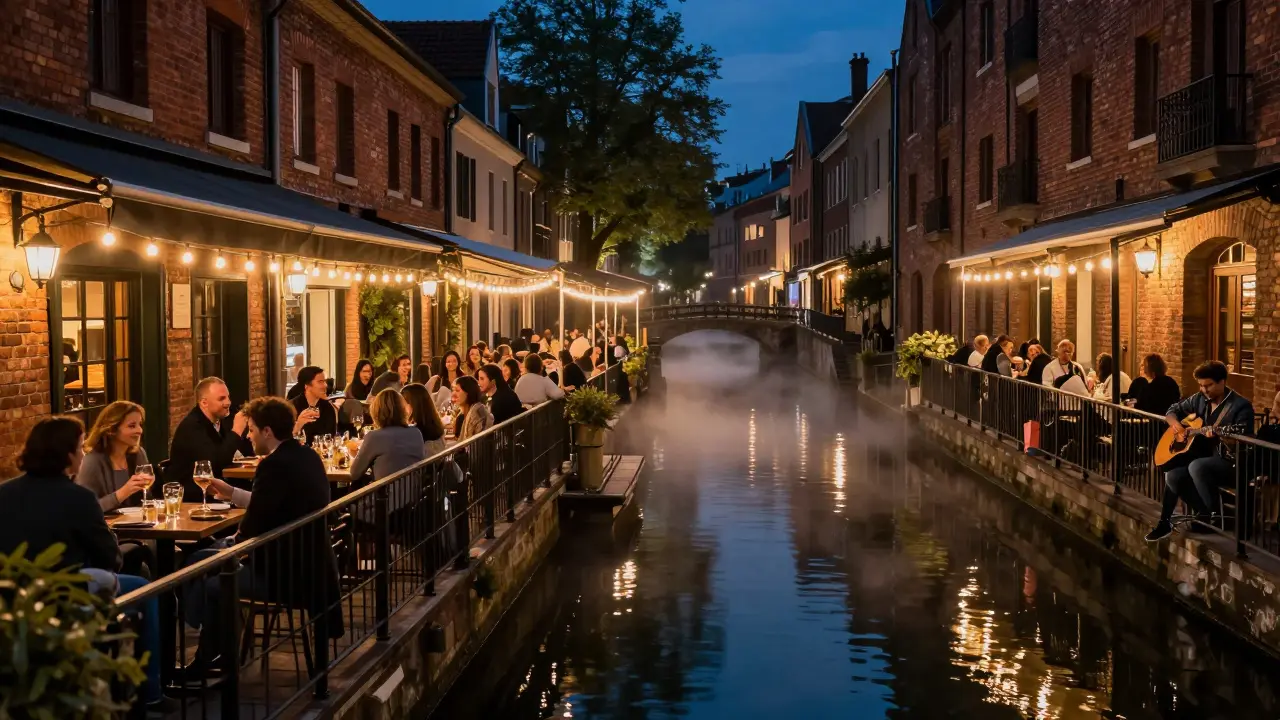
When the sun sets in Milan, the city doesn’t sleep-it switches modes. By 9 p.m., the quiet elegance of Brera’s boutiques gives way to the buzz of cocktail lounges. By midnight, the streets around Navigli pulse with laughter, music, and the clink of glasses. This isn’t just partying. It’s a ritual. A daily reset for locals who know that Milan’s nightlife isn’t about being seen-it’s about being felt.
Start in Navigli: Where the Canals Come Alive
Forget the tourist maps. The real heartbeat of Milan’s nightlife beats along the Navigli canals, especially on Friday and Saturday nights. The area stretches from Porta Ticinese to the intersection of Via Solferino and Via dei Navigli. Here, old brick warehouses have become craft beer bars, wine cellars, and open-air terraces where you can sip an Aperol Spritz while watching the water ripple under string lights.
Try La Zattera-a local favorite since 2012. They serve 12 rotating craft beers on tap, all from Lombard microbreweries. No tourist menus. No plastic cups. Just pints in thick glassware and a playlist that leans toward Italian indie rock. Around 11 p.m., the crowd shifts from young professionals to artists and musicians. You’ll hear someone strumming a guitar on the dock. Someone will invite you to join them. Say yes.
Walk 10 minutes east to Bar Basso, the birthplace of the Negroni Sbagliato. It’s tiny. It’s loud. It’s always full. The bartender doesn’t ask your name. He just pours. The drink? A perfect mix of prosecco, Campari, and sweet vermouth. It’s not fancy. It’s just right.
Brera: Intimate, Artistic, and Always a Little Unexpected
If Navigli is about movement, Brera is about stillness-with rhythm. This neighborhood, once home to painters and poets, now holds some of Milan’s most thoughtful drinking spots. The vibe here is quieter, but no less electric.
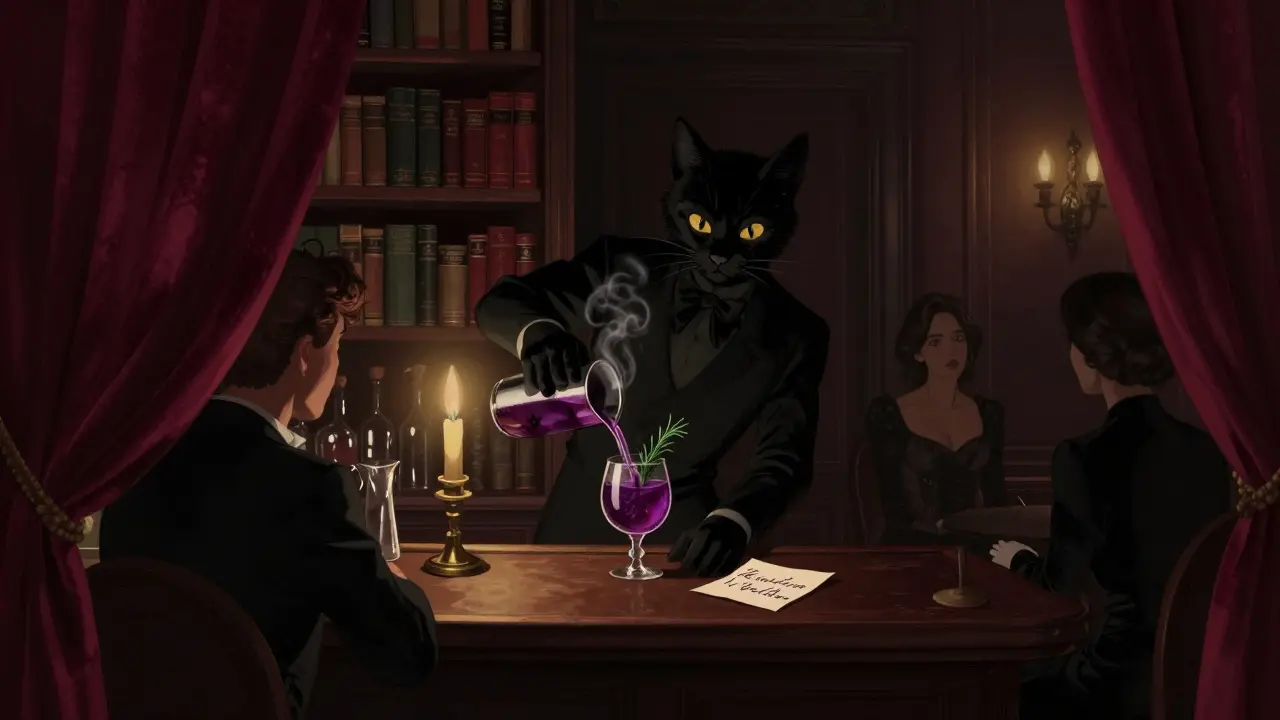
Il Gatto Nero is a hidden speakeasy behind a bookshelf in a 19th-century palazzo. You need a reservation, and you won’t find it on Google Maps. The door is unmarked. The staff wears black. The cocktails? Each one tells a story. Try the “Brambilla”-gin, violet liqueur, and a drop of rosemary smoke. It’s served with a single ice cube and a handwritten note on a napkin. That’s the rule here: no phones at the bar. You’re here to taste, not to post.
For live jazz, head to Blue Note Milano. It’s not the biggest club in town, but it’s the most respected. They host musicians from New York, Rome, and Tokyo. The room holds only 80 people. You’ll sit close enough to see the saxophonist’s fingers move. Tickets sell out fast. Arrive early. Bring cash. No online bookings.
Porta Venezia: The Wild Card
Most visitors skip Porta Venezia. That’s their loss. This district is where Milan’s queer scene, underground DJs, and experimental art collide. It’s raw. It’s real. It’s unpolished-and that’s why it’s unforgettable.
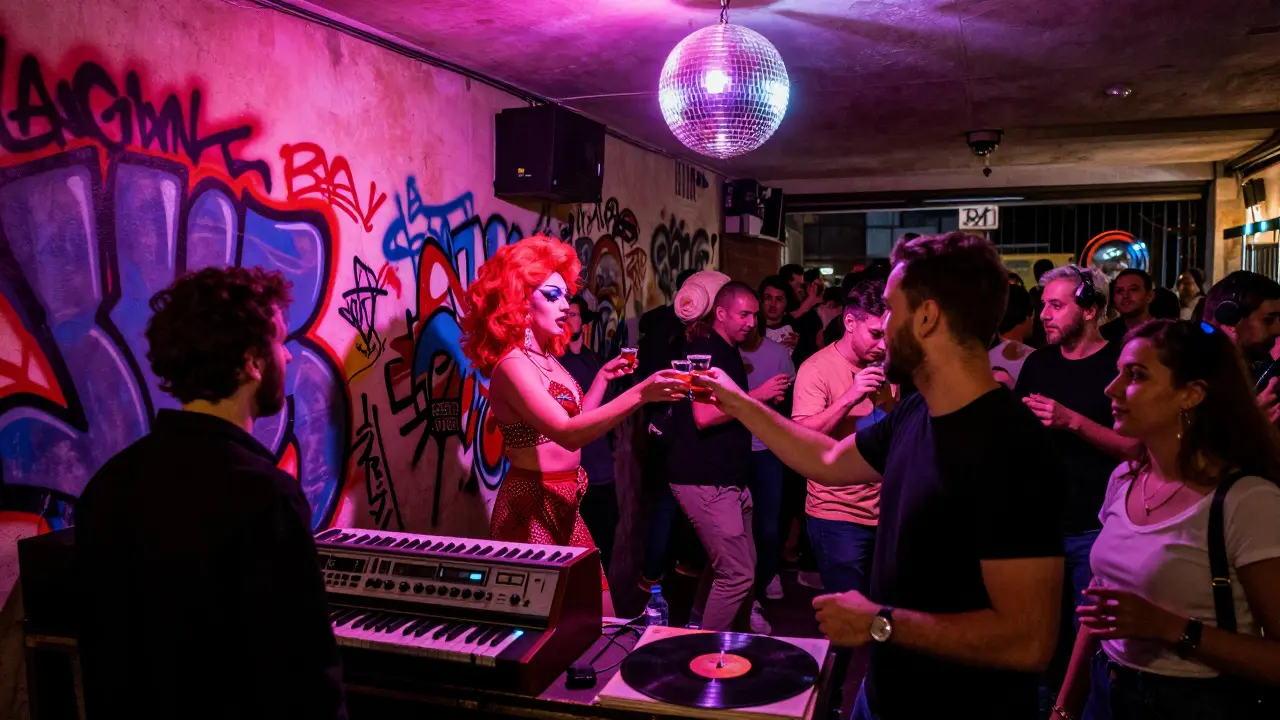
La Cucina is a bar that turns into a club after 1 a.m. The walls are covered in graffiti from local artists. The sound system blasts everything from Italo-disco to techno remixes of Italian opera. The crowd? Students, drag performers, expats, and retirees who still know how to dance. There’s no cover charge. No dress code. Just a guy at the door handing out free shots of grappa at midnight.
Down the street, Club 21 is a 90s throwback with neon lights and vinyl-only playlists. It’s the only place in Milan where you’ll hear Madonna’s “Vogue” followed by a 12-minute remix of a 1978 disco track. People dance like no one’s watching-even though everyone is.
Corso Como: Where Design Meets Nightlife
If you’ve ever seen Milan in a fashion magazine, you’ve seen Corso Como. This stretch of street is a cultural hub. By day, it’s a design showroom. By night, it’s a lounge bar with a global crowd.
Corso Como 10 is the centerpiece. It’s not a club. It’s an experience. A garden bar with velvet couches, candlelit tables, and a DJ spinning rare vinyl from 1980s Milan. The crowd here is older-late 30s to 50s. They wear tailored coats. They sip mezcal old-fashioneds. They don’t dance. They sway. And when the music drops, the whole room holds its breath.
Don’t miss the rooftop terrace. It’s open until 3 a.m. and offers one of the best views of the city skyline. Bring a jacket. It’s chilly after midnight.
What to Avoid in Milan’s Nightlife
Not every spot with a neon sign is worth your time. Here’s what to skip:
- Tourist traps near Duomo: Bars that serve “Italian cocktails” with soda water and cheap vodka. They’re overpriced and taste like plastic.
- Clubbing in the city center after 2 a.m.: Most clubs close by 2:30 a.m. If you’re still looking for a place to go after that, you’re in the wrong district.
- “English pubs” with keg beer and football on TV: Milan doesn’t need them. You won’t find locals there.
Also, never show up before 10 p.m. unless you’re at a dinner spot. Milanese nightlife starts late. Dinner at 9:30 p.m. is normal. Drinks after 11 p.m. is early. You’ll feel like a tourist if you’re sipping a cocktail at 8 p.m. on a Friday.
How to Move Around After Dark
Public transport stops running around 1:30 a.m. After that, you have three options:
- Taxis: Use FreeNow or MyTaxi apps. Avoid hailing cabs on the street-they’re often overpriced.
- Electric scooters: Lime and Tier are widely available. But watch out for cobblestones in Navigli. They’re beautiful. They’re also dangerous at night.
- Walk: Milan is safe after dark. Stick to well-lit streets. Navigli and Brera are walkable. Avoid the industrial zones near Lambrate after midnight.
What to Wear
Milan doesn’t have a strict dress code-but it has an unspoken one. You don’t need a suit. But you shouldn’t wear sneakers with shorts unless you’re at La Cucina.
For Navigli and Brera: dark jeans, a stylish shirt, and clean loafers or ankle boots. For Corso Como: a tailored jacket or a chic turtleneck. For Porta Venezia: whatever makes you feel confident. No one will judge.
And yes, women can wear jeans. Men can wear open shirts. Milan doesn’t care about labels. It cares about presence.
Final Tip: Don’t Rush It
The best nights in Milan don’t start at midnight. They start at 10 p.m. with a glass of wine on a terrace. They continue at 1 a.m. with a spontaneous dance in a basement bar. They end at 4 a.m. with a plate of arancini from a 24-hour food truck near Porta Romana.
You won’t find this on Instagram. You won’t find it in a travel guide. You’ll find it by showing up, listening, and letting the city lead you.
What time do clubs in Milan close?
Most clubs in Milan close between 2:30 a.m. and 3 a.m. Some, like Club 21 or La Cucina, stay open until 4 a.m. on weekends. Bars in Navigli and Brera often serve drinks until 5 a.m., but dancing stops earlier. Always check the venue’s Instagram page for last-minute changes.
Is Milan nightlife safe at night?
Yes, Milan is one of the safest major European cities for nightlife. The main areas-Navigli, Brera, Corso Como, and Porta Venezia-are well-lit and patrolled. Avoid poorly lit side streets near the train station or industrial zones after midnight. Stick to the main drag. Use apps like FreeNow for taxis. Don’t carry large amounts of cash.
Do I need to make reservations for bars in Milan?
For popular spots like Il Gatto Nero, Blue Note Milano, and Corso Como 10, yes. Book at least a day ahead via their websites or Instagram DMs. For Navigli bars like La Zattera, no reservation is needed-but arrive before 11 p.m. to get a good seat. Most casual bars operate on a first-come, first-served basis.
Are there any gay-friendly nightlife spots in Milan?
Absolutely. Porta Venezia is the heart of Milan’s LGBTQ+ scene. La Cucina, Club 21, and Bar 107 are all welcoming and inclusive. You’ll find drag shows, queer DJ sets, and mixed crowds. Brera also has a few quiet, upscale bars that are popular with gay professionals. Milan doesn’t segregate its nightlife-it celebrates diversity within it.
What’s the best night to go out in Milan?
Friday and Saturday are the busiest-and the best. If you want a quieter, more authentic vibe, go on a Thursday. Many bars host live music or themed nights on Thursdays with smaller crowds. Sunday nights are surprisingly good too, especially in Navigli, where locals unwind with friends before the workweek starts.
Can I find vegan or vegetarian food at Milan nightlife spots?
Yes. Most bars in Navigli and Porta Venezia now offer vegan snacks-think truffle arancini, roasted veggie crostini, or vegan tiramisu. La Zattera has a full vegan tapas menu. Bar Basso offers a vegan Negroni with plant-based vermouth. Even Corso Como 10 has a vegan aperitivo option. Ask for the “cibo vegano” menu-it’s usually listed on the back of the regular one.