When the sun sets over Milan, the city doesn’t sleep-it switches modes. The same streets that buzz with fashion shows and designer boutiques by day transform into a pulsing network of hidden bars, rooftop lounges, and underground clubs by night. Forget the stereotype of Milan as just a city of suits and silk. After 10 p.m., it’s all about live music, craft cocktails, and spontaneous dance floors that don’t close until sunrise.
Where the Locals Go: Navigli District
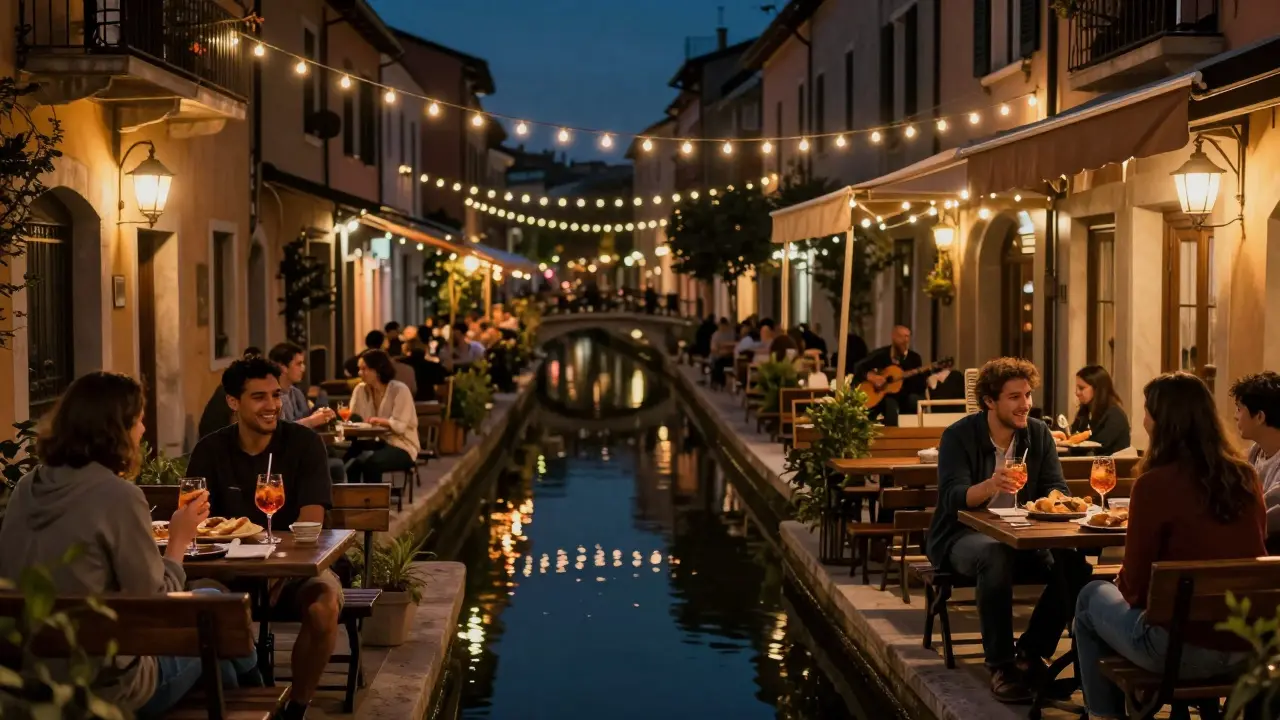
If you want to feel like a Milanese, start in Navigli. This canal-lined neighborhood used to be a working port in the 15th century. Today, it’s the heart of the city’s casual nightlife. The canals are lined with terraces where people sip Aperol spritzes and nibble on crostini. You won’t find bouncers here-just friendly bartenders who remember your name after one visit.
Try La Baita for live jazz on weekends or Bar Basso, where the Negroni was invented in 1943. It’s still the best one in town. Walk along the water after midnight and you’ll see groups of friends laughing, couples sharing a bottle of Lambrusco, and musicians playing acoustic sets under string lights. No cover charge. No dress code. Just good vibes.
High-End Drinks and Rooftop Views
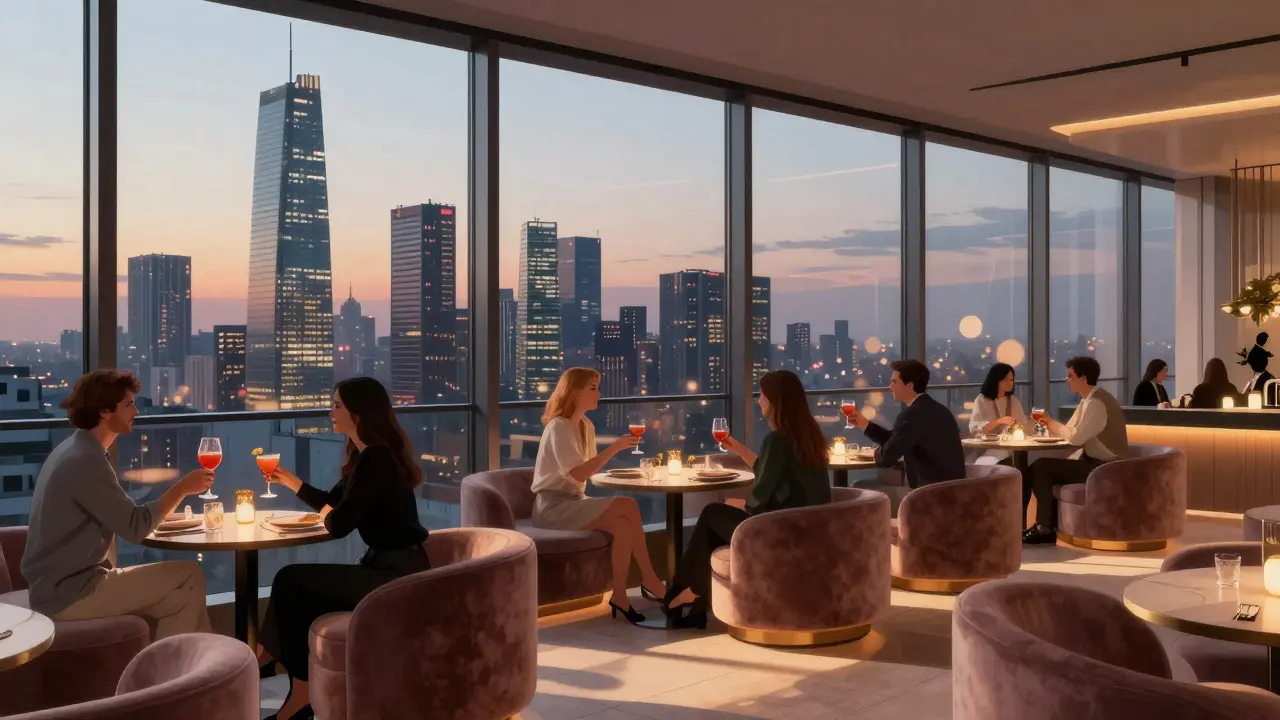
For something sleeker, head to the top floors of Milan’s luxury hotels. The Terrazza Aperol at the Four Seasons offers panoramic views of the Duomo, with cocktails crafted by award-winning mixologists. The crowd here is polished-designers, investors, and international visitors-but the atmosphere stays relaxed.
Don’t miss Skyline Rooftop Bar on the 17th floor of the Porta Nuova district. The glass walls give you a 360-degree view of the city’s skyline, including the Unicredit Tower and the new Bosco Verticale. Their signature drink, the Milanese Sunset, blends Prosecco, blood orange, and a touch of rosemary. It’s expensive-€18 a glass-but worth it if you’re celebrating something.
Underground Clubs and Electronic Beats
Milan’s club scene is where the real energy lives. You won’t find neon signs or big logos. These places are tucked into old warehouses, basement studios, and forgotten industrial buildings.
Clust in the Lambrate neighborhood is the most talked-about spot. It doesn’t open until 1 a.m. and closes at 7 a.m. The sound system is state-of-the-art, and the DJs play everything from deep house to techno. No VIP tables. No bottle service. Just people dancing like no one’s watching. The door policy is simple: if you look like you belong, you get in.
For something more experimental, try Officine Grandi Riparazioni (OGR). It’s a former train repair shop turned cultural center. On weekends, it hosts electronic music nights with live visuals and immersive light installations. The crowd is younger, more artistic, and less concerned with status. Tickets are €15 and usually sell out by Friday afternoon.
Live Music and Jazz Bars
Milan has one of Europe’s most vibrant jazz scenes. Blue Note Milano brings in international artists every week. It’s small, intimate, and loud in the best way. You’ll hear everything from classic swing to modern fusion. Arrive early if you want a good seat-there are only 80 chairs.
If you’re into Italian indie rock or alternative bands, head to La Bicocca in the Bicocca district. It’s not in the center, but it’s worth the trip. Bands play original music, and the crowd sings along like they’ve known the songs for years. The bar serves cheap beer and homemade pizza. It’s the kind of place you stumble into and end up staying until the lights come on.
What to Wear and How to Get Around
Milan’s nightlife doesn’t require a suit, but it does expect you to look put together. No flip-flops, no sweatpants. Think dark jeans, a nice shirt, and clean shoes. Women often wear dresses or tailored separates. You don’t need designer labels, but you do need to look intentional.
Public transport runs until 1:30 a.m. on weekdays and 2:30 a.m. on weekends. After that, you’ll need a taxi or ride-share. Uber is available, but local services like Free Now or Beat are cheaper. Walking is fine in central areas like Brera and Navigli, but avoid solo walks after 2 a.m. in less crowded zones.
When to Go and What to Avoid
The best nights are Thursday through Saturday. Friday is the busiest-expect lines at popular clubs. Sunday nights are surprisingly good if you like quieter crowds and last-minute DJ sets.
Avoid tourist traps near the Duomo after 9 p.m. Those places charge €25 for a basic cocktail and play Top 40 hits on loop. They’re for people who think Milan is just a photo op. Skip them. Instead, ask a local where they’re going. Most will point you to a place you’ve never heard of-and that’s where the real experience begins.
Secret Spots Only Locals Know
There’s a speakeasy behind a fridge door in a tiny grocery store in the Porta Venezia neighborhood. No sign. Just a keypad code you get from the bartender if you ask nicely. It’s called La Dispensa, and they serve only gin-based cocktails made with Italian herbs.
Another hidden gem is Bar del Fico in the Brera district. It looks like a regular wine bar, but after 11 p.m., the back room opens up for vinyl-only sets. No playlists. No screens. Just a DJ spinning rare 70s soul and obscure Italian pop from the 80s. The crowd is quiet, thoughtful, and deeply into the music.
These places aren’t on Google Maps. You have to be invited-or lucky enough to be in the right place at the right time.
Final Tips for a Great Night Out
- Start early. Most bars open at 8 p.m., and the best tables go fast.
- Carry cash. Many small bars and clubs don’t take cards.
- Don’t rush. Milanese nightlife is about lingering, not checking off spots.
- Try an aperitivo. From 6 to 9 p.m., many bars offer free snacks with your drink. It’s not a happy hour-it’s a ritual.
- Learn a few Italian phrases. A simple “Grazie” or “Un altro, per favore” goes a long way.
Milan’s nightlife isn’t about flashing cash or showing off. It’s about connection-between friends, strangers, music, and the city itself. If you leave with a new favorite cocktail, a song stuck in your head, or a story you didn’t plan to tell, then you’ve done it right.
What time do clubs in Milan usually close?
Most clubs in Milan open around midnight and close between 3 a.m. and 5 a.m. Some, like Clust or OGR, stay open until 7 a.m., especially on weekends. Bars in Navigli and Brera often serve drinks until 2 a.m., and some stay open later if the crowd is still there.
Is Milan’s nightlife safe for tourists?
Yes, Milan’s nightlife is generally safe for tourists, especially in popular areas like Navigli, Brera, and Porta Nuova. Stick to well-lit streets and avoid walking alone after 2 a.m. in less crowded zones. As in any major city, keep an eye on your belongings-pickpocketing can happen in crowded bars or on public transport late at night.
Do I need to book tickets in advance for clubs?
For big venues like OGR or special events at Clust, yes. Tickets often sell out a few days in advance, especially on weekends. For smaller bars and jazz clubs, you can usually walk in. Always check the venue’s Instagram or website before heading out-many update their events last minute.
What’s the best night to experience Milan’s nightlife?
Friday and Saturday are the busiest and most vibrant nights, with the most events and crowds. But if you prefer a more relaxed vibe, Thursday nights are excellent-fewer people, better service, and DJs often test out new sets. Sunday nights are underrated too, with chill electronic sets and local bands playing in cozy spots.
Can I find English-speaking staff in Milan’s bars and clubs?
In tourist-heavy areas like Navigli and Brera, yes-most bartenders and staff speak basic to fluent English. In underground clubs and local hangouts, staff might speak little or no English, but that’s part of the charm. A smile and a few Italian words go a long way. Most places are welcoming regardless of language.