London’s nightlife isn’t just about clubs and cocktails-it’s a living archive of art, music, and stories that never sleep.
If you’re looking for nightlife that feeds your mind as much as your senses, London delivers. This city doesn’t just turn on the lights after dark-it turns on its soul. You won’t find endless rows of generic bars here. Instead, you’ll find jazz clubs tucked into Victorian basements, poetry slams in converted churches, and late-night film screenings where the audience debates the director’s intent until 3 a.m.
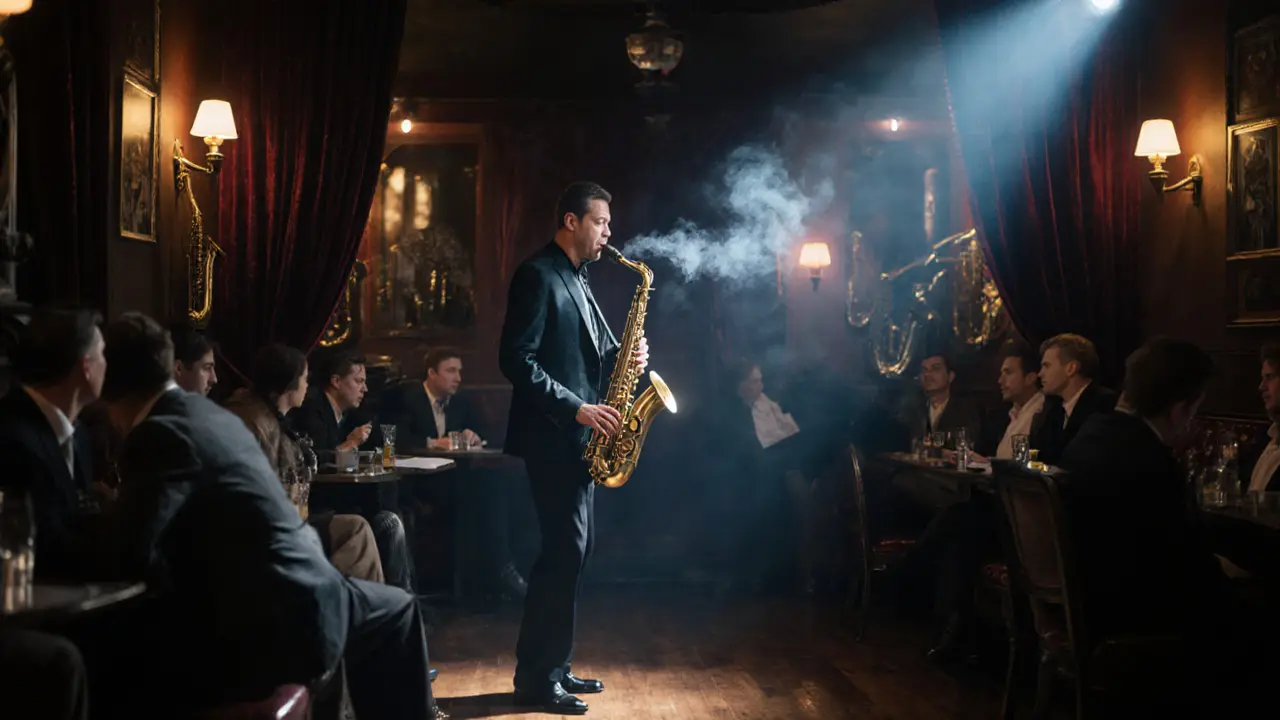
The key is knowing where to look. London’s cultural nightlife isn’t advertised on billboards. It’s whispered between bookshop regulars, passed along by theater ushers, and found by following the sound of a saxophone drifting from an alleyway in Shoreditch.
Soho: Where Music, Art, and History Collide
Soho isn’t just a district-it’s a heartbeat. Walk down Old Compton Street after 9 p.m., and you’ll hear snippets of live jazz from Ronnie Scott’s a world-famous jazz club founded in 1959 that has hosted legends like Miles Davis and Ella Fitzgerald. The club doesn’t feel like a tourist attraction. It feels like a secret. You need to know the door code, or at least look like you belong. The crowd? Musicians, composers, and people who’ve spent their lives listening to vinyl records in dim rooms.
Just around the corner, The Jazz Café a venue in Camden that blends soul, funk, and global beats with an intimate, standing-room-only vibe hosts late-night sets that often spill into the street. On Fridays, you’ll find locals dancing barefoot on the sidewalk, still wearing their theater clothes from the evening’s play.
Don’t miss The Cockpit a tiny theater in Marylebone that stages experimental plays and avant-garde performances, often ending with open-floor discussions. Shows start at 8:30 p.m., but the real magic happens after-when the cast joins the audience for drinks and debates about identity, power, and silence.
Camden: The Underground Pulse of Alternative Culture
Camden Town used to be the epicenter of punk. Today, it’s the home of underground poetry, queer cabaret, and DIY cinema. Head to The Dublin Castle a pub that’s hosted emerging bands since the 1970s and still features unsigned artists every night on a Wednesday. You won’t see a stage. Just a corner, a mic, and a crowd leaning in like they’re about to hear something they’ll remember forever.
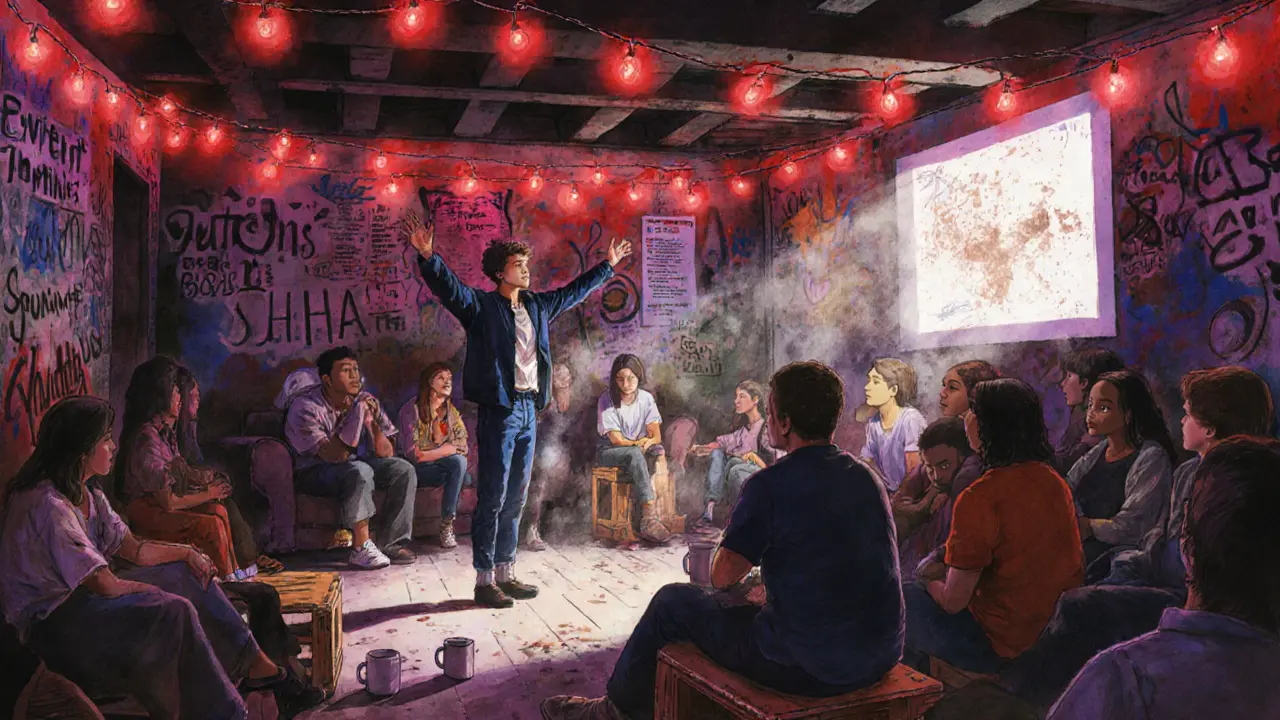
For something stranger, try The Underworld a basement venue under Camden Market that hosts spoken word nights, silent disco poetry readings, and performance art shows. The walls are covered in graffiti that changes weekly. One night, it’s a feminist manifesto. The next, it’s a haiku about the London Underground.
And if you’re into film, The Electric Cinema London’s oldest working cinema, opened in 1910, now screens cult classics and indie films with live score accompaniments is open until midnight. They don’t just show movies-they recreate the experience. One recent screening of Blade Runner 2049 came with a live theremin player and scent diffusion to mimic rain on neon.
The South Bank: Culture Along the River After Dark
By day, the South Bank is full of tourists snapping photos of the London Eye. By night, it becomes a cultural corridor. Walk past the National Theatre a Brutalist landmark that stages bold, contemporary plays, often with free outdoor screenings after evening performances after a show. If the weather’s right, you’ll find people sitting on the steps, talking about the play’s ending, sipping wine from paper cups.
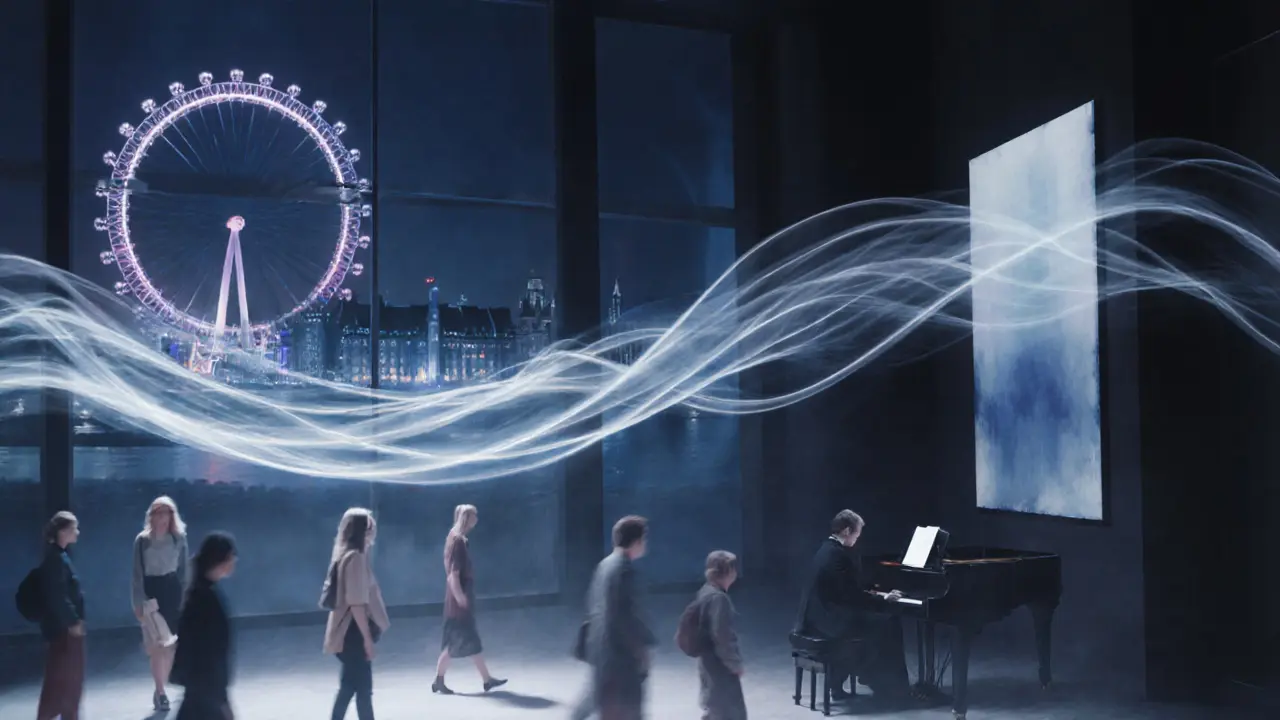
Just south of Waterloo Bridge, The Tate Modern the world’s most visited modern art museum, opens its galleries until 10 p.m. on Fridays and hosts live sound installations and artist talks turns into a quiet, glowing sanctuary. On Friday nights, they pair artworks with live ambient music. One recent event featured a sound piece made from recordings of people whispering their regrets-played softly as visitors wandered between Rothko’s color fields.
For a drink with a view, head to The Library Bar a hidden rooftop lounge above the Tate Modern with a collection of 3,000 books and cocktails named after poets. Order the Plath-gin, blackberry, and a single drop of absinthe-and read a line from a poem on the napkin.
Shoreditch: Art, Street Culture, and Late-Night Galleries
Shoreditch is where London’s creative class lives, works, and drinks. It’s also where galleries stay open past midnight. The Old Truman Brewery a former beer factory turned arts complex that hosts pop-up exhibitions, live painting sessions, and after-hours poetry readings is the heart of it. On Thursdays, local artists paint live on the walls while DJs spin vinyl from the 1980s. You can buy a piece for £30-or just watch someone turn a canvas into a story.
Don’t miss The Horse Hospital a 19th-century horse clinic turned experimental art space that hosts film screenings, fetish performances, and surrealist cabarets. It’s not for everyone. But if you’ve ever wondered what happens when Dadaism meets drag, this is your place.
For food that matches the vibe, try Dishoom a Bombay-inspired café that stays open until 1 a.m. and plays vintage Bollywood records, turning dinner into a cultural experience. The chai is strong. The walls are covered in letters from locals who’ve lived here since the 1960s. It’s not a restaurant. It’s a time capsule.
Islington: Quiet Corners with Big Ideas
If you want nightlife without the noise, Islington is your sanctuary. The Barbican a brutalist arts center that hosts late-night concerts, philosophy debates, and silent film nights with live piano is the crown jewel. On the last Friday of every month, they screen silent classics-Metropolis, The Cabinet of Dr. Caligari-with a live score by a local composer. The crowd is quiet. Thoughtful. You’ll hear a gasp, not a cheer.
Across the street, The George a 17th-century pub that hosts monthly literary salons where writers read unpublished work to a room of 20 people. No microphones. No lights. Just a wooden chair, a glass of red, and someone reading a story about loss, love, or the weight of silence.
What to Expect: The Unwritten Rules of Cultural Nightlife
This isn’t clubbing. There’s no dress code, but there’s an unspoken one: come curious. Don’t expect to be entertained. Expect to be challenged. Don’t take photos unless asked. Don’t talk during performances. Don’t rush. These spaces aren’t built for speed.
Most cultural venues don’t have websites that update regularly. Follow them on Instagram. Or better yet-ask someone who’s been there. A bartender at The Jazz Café might point you to a hidden poetry night in a bookshop basement. A gallery assistant might tell you about a midnight screening of a Polish experimental film.
And here’s the truth: you don’t need a ticket to feel part of it. Sometimes, the best moments happen outside. A group of strangers arguing about a play in the rain. A musician playing a solo on a bridge at 2 a.m. A stranger handing you a poem written on a napkin and saying, "This is for you."
Where to Go Next
London’s cultural nightlife changes fast. What’s hot this month might be gone next. Keep an eye on Time Out London’s "Late Night Culture" list a weekly roundup of underground gigs, pop-up exhibitions, and spoken word events not listed on major platforms. Or better yet-walk without a plan. Turn down a street you’ve never seen. Listen. Wait. Let the city lead you.
Is London nightlife safe for solo culture seekers?
Yes, especially in areas like Soho, South Bank, and Islington, where cultural venues are well-lit, staffed, and frequented by locals. Most places close by 2 a.m., and public transport runs late on weekends. Avoid isolated alleyways after midnight, but stick to known cultural hubs-they’re some of the safest spots in the city.
Do I need to book tickets in advance for cultural events?
For major venues like Ronnie Scott’s or the Barbican, yes. But many smaller events-poetry nights, pop-up galleries, basement jazz sessions-operate on a first-come basis. Show up 15 minutes early. Often, the door is open, and the host will welcome you even if you didn’t RSVP.
Are these venues expensive?
Not necessarily. Entry to most cultural events ranges from £5 to £15. Some, like the National Theatre’s outdoor screenings, are free. Drinks at places like The Library Bar or The George cost about £8-£12. You can have a full night of culture for under £30 if you skip the fancy cocktails and focus on free or low-cost experiences.
What’s the best night of the week for cultural nightlife?
Fridays and Saturdays are busiest, but Wednesdays and Thursdays offer the most authentic, less crowded experiences. Many underground venues host their best events midweek when the crowd is made up of artists, students, and locals-not tourists. Thursday nights at The Jazz Café and The Cockpit are especially special.
Can I find vegetarian or vegan food at these spots?
Absolutely. Most cultural venues in London, from Dishoom to The Old Truman Brewery, offer plant-based options. Even The George, a 300-year-old pub, has a vegan platter with spiced lentils, pickled vegetables, and sourdough. Food is part of the culture here-so dietary needs are rarely an afterthought.