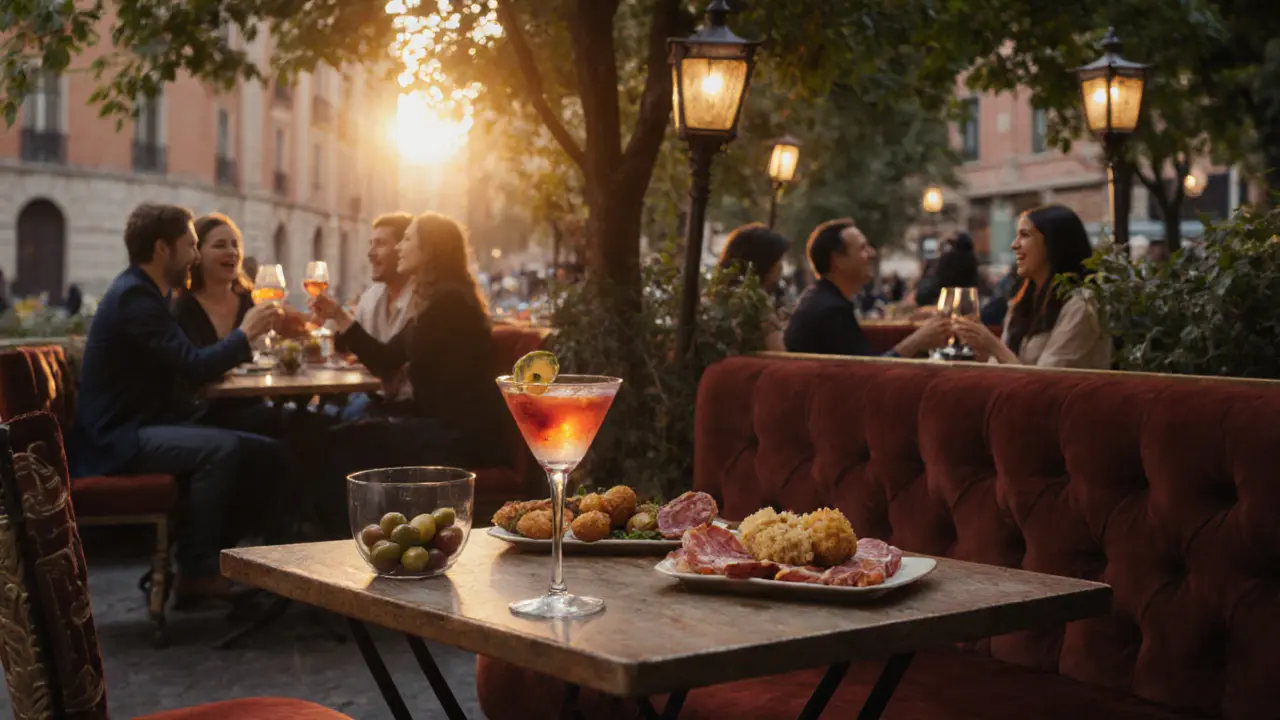
When the sun sets in Milan, the city doesn’t sleep-it switches gears. By 9 p.m., the streets around Brera and Navigli buzz with laughter, clinking glasses, and the low hum of bass from hidden venues. This isn’t just a city that knows how to dress well-it knows how to party, too. Forget the clichés. Milan’s nightlife isn’t about flashy clubs alone. It’s about aperitivo culture, secret rooftop bars, underground techno dens, and historic pubs that have hosted artists, designers, and dreamers for decades.
Start with Aperitivo: The Milanese Ritual
If you want to understand Milan’s nightlife, begin at sunset with an aperitivo. It’s not just a drink-it’s an experience. For €10-€15, you get a cocktail (usually a Spritz, Negroni, or Aperol) and access to a buffet that rivals a small dinner. The best spots don’t just serve food-they curate it. In Brera, Bar Basso is the birthplace of the Negroni Sbagliato, a mistaken twist on the classic that became iconic. Also known as Bar Basso Milan, it opened in 1982 and still draws crowds with its moody lighting and velvet booths.
Head to La Cucina di Nino in the Navigli district, where the aperitivo spread includes fresh pasta, grilled vegetables, and handmade arancini. Also known as Cucina di Nino, it’s packed every Friday night, and you’ll often find locals dancing on the terrace after their drinks.
Aperitivo isn’t just about drinking. It’s the bridge between work and night out. Locals treat it like a social reset. If you skip it, you’re skipping Milan’s heartbeat.
Navigli: Canals, Craft Beer, and Late-Night Vibes
By 11 p.m., the Navigli canals come alive. Once a working waterway for merchants, today it’s the city’s most relaxed nightlife zone. The canalside bars here aren’t loud-they’re warm. You’ll find vinyl spinning in cozy corners, handmade cocktails, and outdoor seating where conversations last until 3 a.m.
Bar Basso Navigli is a sister spot to the original, but with a more casual, beer-focused vibe. They serve over 40 local craft brews, including those from Lombard microbreweries like Birrificio Lambrate. Also known as Basso Navigli, it’s the go-to for those who want to linger without the club rush.
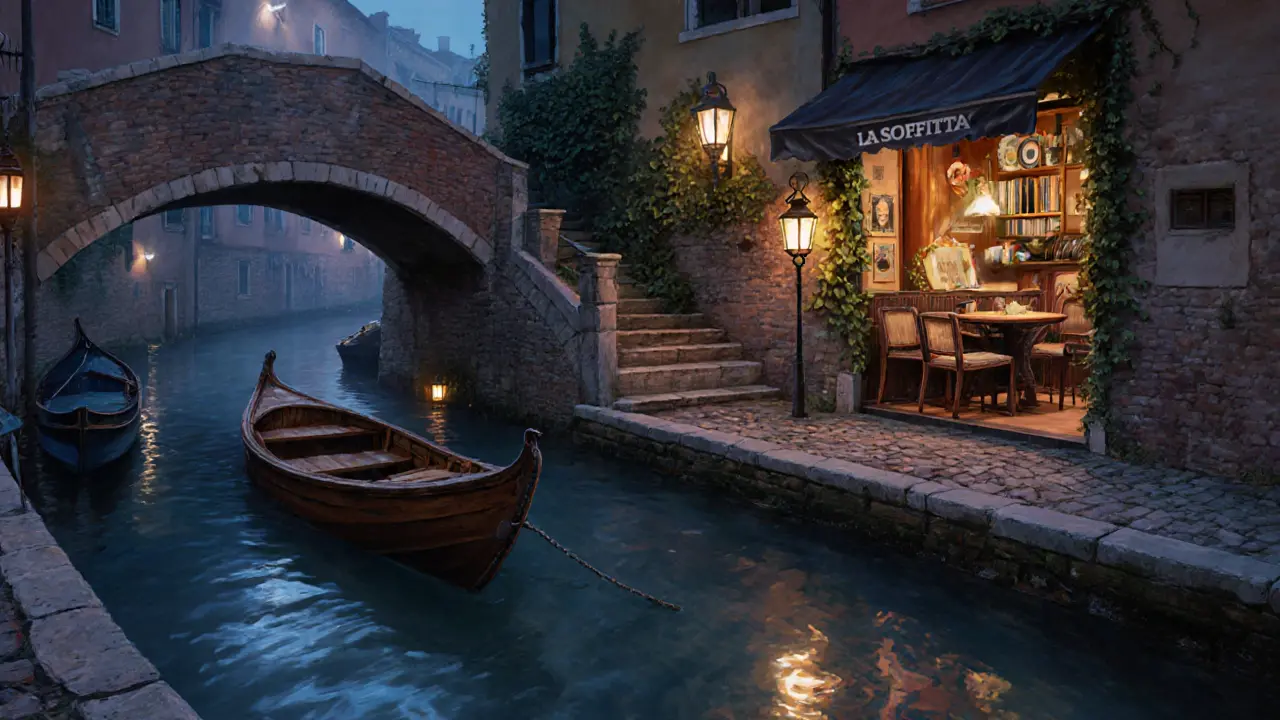
For something different, try La Soffitta-a hidden bar above a bookstore, with mismatched armchairs and a rotating playlist of jazz and soul. No sign. Just look for the narrow staircase by the bookshelf. The owner, Marco, remembers your name if you come back. And you will.
Weekend tip: Bring cash. Many of these places don’t take cards after midnight.
Brera: Where Designers and Artists Unwind
Brera is Milan’s intellectual heart-and its most stylish nightlife corner. Think dim lights, leather sofas, and cocktails served in crystal glasses. This is where fashion insiders and art curators end their evenings.
Il Salumiere is a tiny wine bar with 80 bottles of Italian natural wine, all by the glass. The staff will guide you based on your mood-whether you want something bright and acidic or rich and earthy. Also known as Il Salumiere Brera, it’s closed on Mondays and often sells out by 10:30 p.m.
For a more energetic scene, La Scala Lounge sits just behind the opera house. It’s not a club-it’s a lounge with velvet curtains, live piano, and a crowd that’s just as likely to be discussing Fellini as they are to be dancing. The dress code? Smart casual. No sneakers. No hoodies.
Brera doesn’t scream for attention. It whispers. And if you listen, you’ll hear the best of Milan’s cultural soul.
Porta Venezia: The Underground Scene
If you’re looking for something raw, real, and far from tourist maps, head to Porta Venezia. This neighborhood is Milan’s answer to Berlin’s techno scene. The clubs here are small, unmarked, and fiercely local.
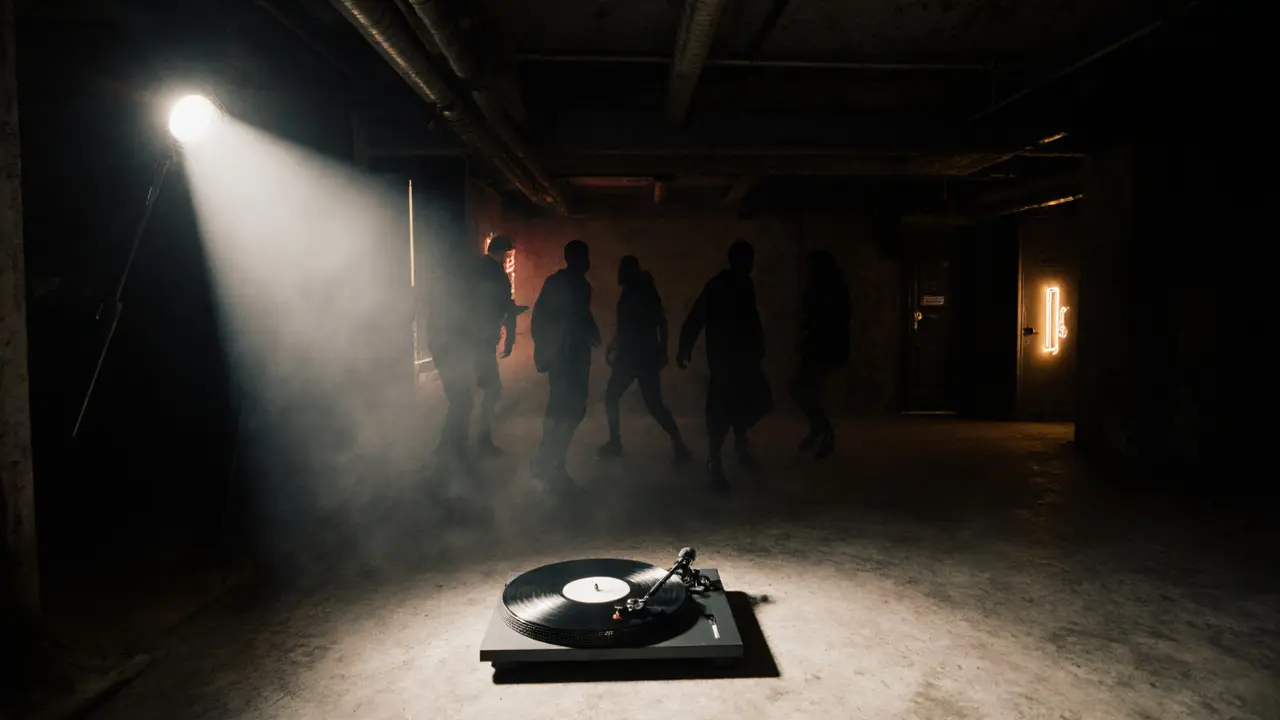
Teatro del Sale is a converted theater turned experimental music venue. Bands play here on weekends, and DJs spin vinyl-only sets from 11 p.m. to dawn. No VIP list. No cover charge before midnight. Also known as Teatro del Sale Milano, it’s the place where underground artists test new sounds before they go viral.
For a more dancefloor-focused night, Spazio 12 is a warehouse club with industrial lighting, concrete floors, and a sound system that shakes your ribs. The crowd is mixed-students, architects, musicians, expats. They don’t care where you’re from. They care if you move.
These spots don’t advertise on Instagram. You find them by word of mouth. Ask a local. Or just wander after 1 a.m. You’ll hear the music before you see the door.
Corso Como: The Glamour Spot
Corso Como is where Milan’s elite go to be seen. It’s not just a street-it’s a lifestyle. The area is anchored by Corso Como 10, a multi-level complex with a restaurant, design store, and rooftop bar. The rooftop, La Terrazza, offers panoramic views of the city skyline and serves signature cocktails like the Milanese Sunset-gin, lavender syrup, and sparkling wine. It’s expensive. But if you want to feel like you’re in a fashion magazine, this is the place.
Don’t expect to just walk in. Most nights, you’ll need to make a reservation. Or arrive before 10 p.m. The bouncers are polite but firm. No flip-flops. No loud groups. This isn’t a party-it’s a performance.
It’s the most touristy spot on this list. But if you want to sip a cocktail under string lights while the Duomo glows in the distance, it’s worth it.
What to Avoid
Not all nightlife in Milan is worth your time. Stay away from:
- Clubs near Piazza Duomo after 1 a.m.-they’re overpriced, overcrowded, and play Top 40 hits from 2012.
- Bars with “English Menu Only”-they’re targeting tourists, not locals.
- “All-night parties” advertised on Facebook-most are scams or unsafe.
Real Milanese nightlife isn’t about loud signs or bottle service. It’s about the right vibe, the right people, and the right moment.
When to Go
Weekdays (Tuesday-Thursday) are for quiet bars and late dinners. Friday and Saturday are when the city explodes. Sunday nights? That’s when locals unwind with jazz and wine in Navigli. Many bars close early on Sunday, but the ones that stay open are the best.
Season matters too. In summer, rooftop bars fill up fast. In winter, cozy pubs and wine cellars take over. October to March is when the real insiders know the city’s hidden gems-fewer tourists, better service, more authentic vibes.
Getting Around
Milan’s metro runs until 1:30 a.m. on weekdays and 2:30 a.m. on weekends. After that, taxis are easy to find, but Uber doesn’t operate here. Use Free Now or local taxi apps. Walking is safe in central areas like Brera, Navigli, and Corso Como after dark-but avoid isolated streets near the train station.
Final Tip: Dress Like a Local
Italians dress for the night, no matter the occasion. You don’t need a suit. But you do need to look intentional. Men: dark jeans, clean sneakers or loafers, a button-down or slim-fit sweater. Women: a little black dress, tailored pants, or a chic coat. No sportswear. No baseball caps. Milan notices.
The city rewards those who respect its rhythm. Show up late, dress well, and savor the slow build of the night. That’s how you experience Milan’s nightlife-not as a tourist, but as someone who gets it.
What time do clubs in Milan usually open?
Most clubs in Milan open around midnight and don’t hit full energy until 1 a.m. Some, like Teatro del Sale and Spazio 12, start at 11 p.m., but the real crowd arrives later. Aperitivo bars open as early as 6 p.m., and dinner typically runs until 10 p.m.
Is Milan nightlife expensive?
It depends. Aperitivo costs €10-€15 and includes food. Cocktails in Brera or Corso Como run €12-€18. Club entry fees are usually €10-€20, sometimes free before midnight. Craft beer in Navigli is €5-€7. Compared to London or Paris, Milan is reasonably priced for the quality.
Do I need to make reservations?
For rooftop bars like La Terrazza or popular aperitivo spots like Bar Basso, yes-especially on weekends. For underground spots like Spazio 12 or La Soffitta, no. Walk-ins are welcome. If you’re unsure, call ahead or check Instagram stories-many places post their crowd levels in real time.
Are there LGBTQ+-friendly venues in Milan?
Yes. Milan has one of Italy’s most open nightlife scenes. Bar Luce in Brera is a long-standing queer-friendly space with drag shows and themed nights. Bar Bello in Porta Venezia hosts weekly queer dance nights with DJs from across Europe. Both are welcoming to all.
Can I find live music in Milan at night?
Absolutely. Beyond Teatro del Sale, check out Alcatraz, a legendary indie rock venue that’s hosted international acts since the 1990s. Jazz lovers should head to Blue Note Milano, which brings in global jazz artists every week. Many smaller bars in Navigli also host acoustic sets on Thursdays and Sundays.
If you’re visiting Milan and want to feel the pulse of the city after dark, skip the guidebooks. Talk to someone at a bar. Follow the music. Let the night lead you. That’s how you find the real Milan.