Paris has long been a city of allure, art, and secrets-and for centuries, escorts have played a quiet but powerful role in its social fabric. Not the glossy, Instagram-filtered version you see today, but real people navigating love, survival, power, and danger across changing laws, morals, and economies. The story of escorts in Paris isn’t about scandal-it’s about survival, adaptation, and the invisible threads that connect pleasure, politics, and poverty.
Medieval Paris: The First Courtesans
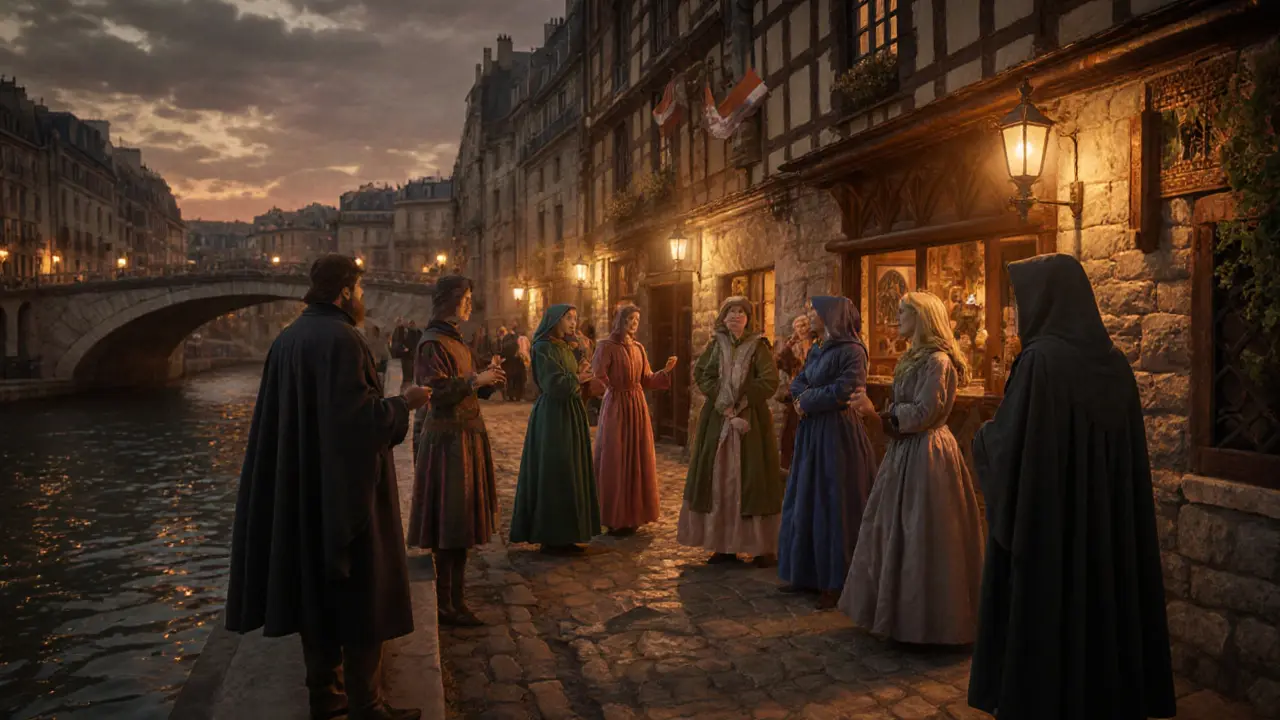
In the 13th century, Paris wasn’t just a center of theology and trade-it was also home to regulated brothels called maisons de tolérance. These weren’t hidden alleys; they were licensed districts near the Seine, often near universities and markets. Women working in these spaces weren’t just sex workers-they were entertainers, conversationalists, and sometimes poets. Some became famous for their wit, like Marie de France, who moved between noble courts and brothels, using her charm to secure patronage.
Unlike today’s underground scene, these women often held contracts, paid taxes, and wore specific clothing to distinguish them from respectable women. The city even appointed inspectors to monitor health and prevent violence. It was crude, controlled, and surprisingly institutionalized. By 1358, records show over 150 licensed houses in Paris alone. This wasn’t crime-it was commerce.
The Enlightenment: Escorts as Cultural Icons
By the 1700s, Paris had become the intellectual capital of Europe. Salons run by women like Madame Geoffrin and Madame du Deffand drew philosophers, artists, and nobles. Many of the women who hosted these gatherings had once worked as escorts. They weren’t just companions-they were gatekeepers of influence.
Escorts during this time weren’t just hired for sex. They were hired for conversation, fashion, and access. A nobleman might pay a high sum to have an escort accompany him to the opera, not because he wanted intimacy, but because her presence signaled status. Some escorts became mistresses of kings-like Madame de Pompadour, who started as a courtesan and ended up shaping French art, politics, and even military policy.
These women weren’t passive. They learned languages, studied philosophy, collected art, and built networks. Their power came from their ability to move between worlds: the aristocracy and the underworld, the public and the private. They were the original influencers-before the word existed.
The 19th Century: The Belle Époque and the Rise of the Demimonde
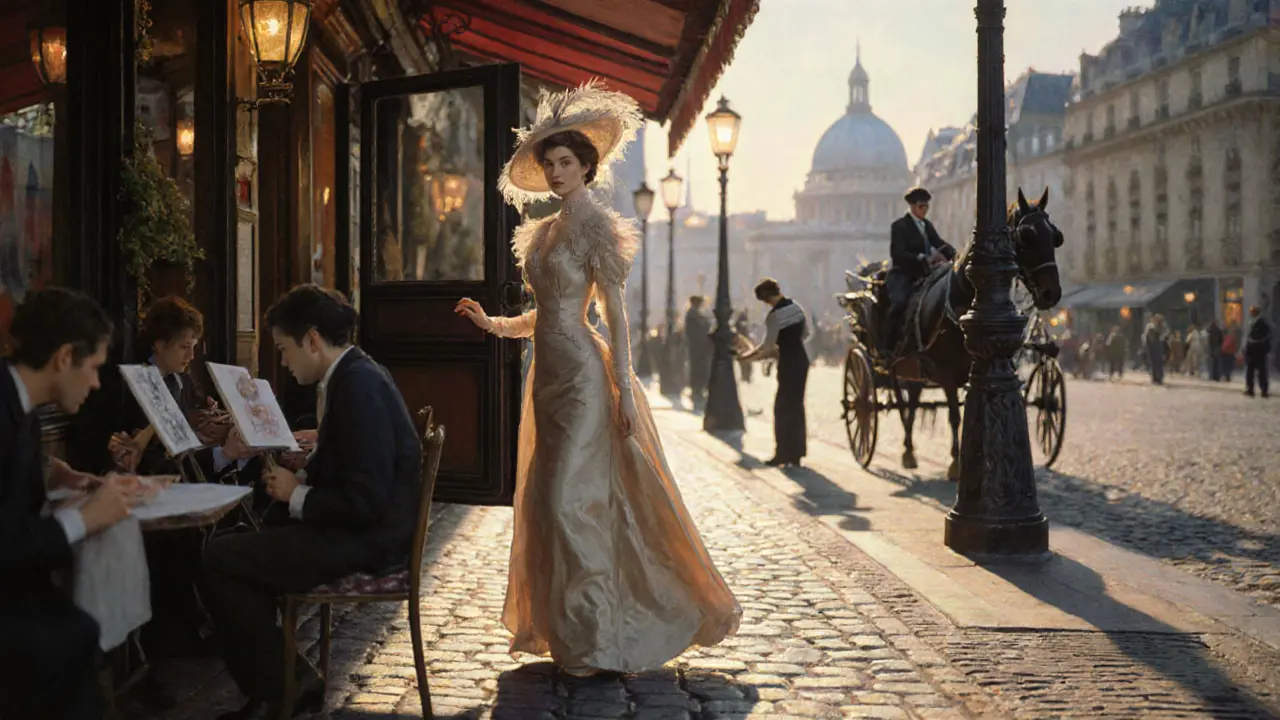
After the French Revolution, the state cracked down on brothels, but demand never disappeared. Instead, it evolved. The 1800s saw the rise of the demimonde-a shadow society of women who lived between respectability and ruin. They didn’t work in brothels. They lived in elegant apartments, wore couture, and were seen at cafés like Le Dôme and La Rotonde.
Artists like Toulouse-Lautrec painted them. Writers like Zola wrote about them. They became symbols of modernity: independent, stylish, dangerous. One of the most famous was La Païva, a former maid who married a Russian prince after amassing a fortune through relationships with wealthy men. Her Paris mansion still stands on Avenue Foch.
These women didn’t hide. They advertised through word of mouth, private clubs, and even early classified ads in newspapers like Le Figaro. They had names, reputations, and clients who returned year after year. This wasn’t exploitation-it was entrepreneurship.
20th Century: War, Prohibition, and the Underground
The First World War changed everything. With soldiers flooding into Paris, the demand for companionship skyrocketed. The French government reopened regulated brothels near military bases, but in the city center, things went underground. Women worked in small apartments, often under the protection of organized networks.
During the Nazi occupation in the 1940s, the situation became darker. German officers frequented certain areas, and some women were forced into service. But others used their position to gather intelligence, pass messages, or help resistance fighters. One known figure, Colette (yes, the writer), quietly helped Jews escape by using her connections in the escort world.
After the war, in 1946, France officially closed all brothels. It was a moral crusade led by women’s groups who saw prostitution as exploitation. But closing the houses didn’t end the trade-it just made it harder to track. Escorts moved into hotels, private homes, and later, phone lines.
Modern Paris: Digital Shifts and New Realities
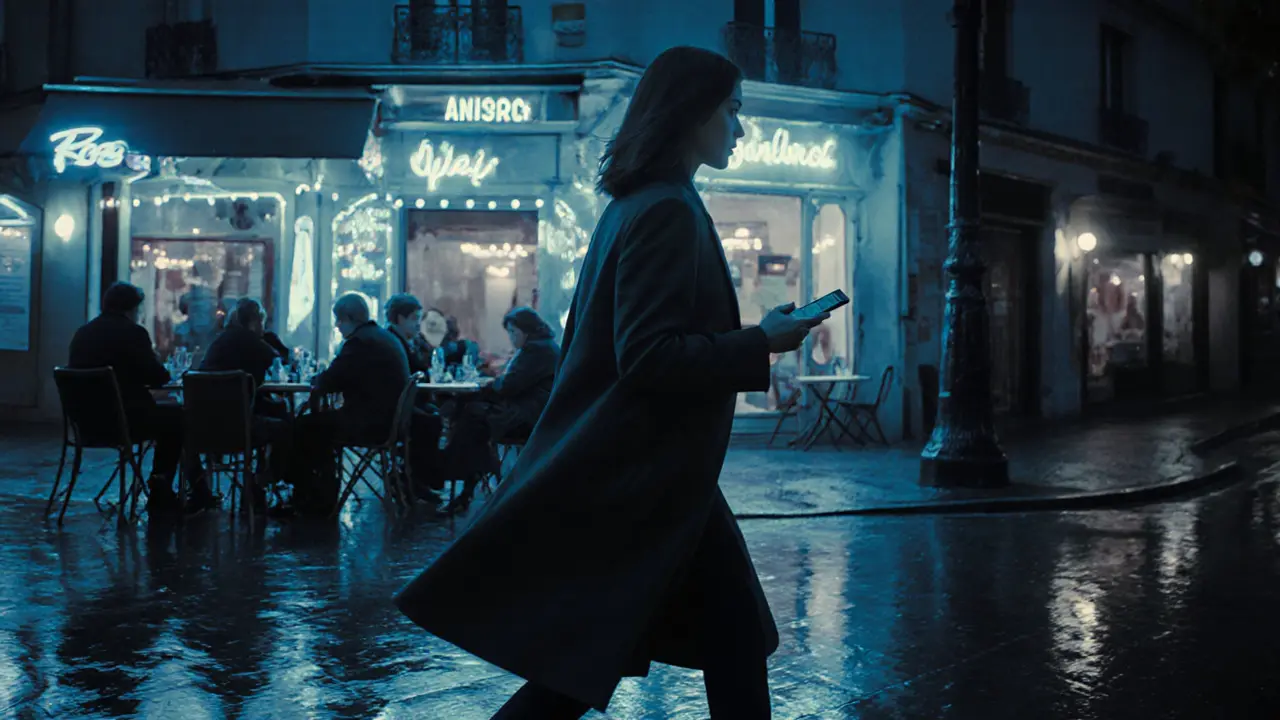
Today, escorts in Paris operate mostly online. Apps, private websites, and encrypted messaging have replaced the old red-light districts. Clients search for companionship, not just sex-someone to share a meal, attend a gallery opening, or simply talk after a long day.
Many modern escorts are educated women-university graduates, artists, linguists-who use the work to fund travel, pay off student debt, or support families. A 2023 survey by the French Institute of Social Studies found that 68% of female escorts in Paris had at least a bachelor’s degree. One woman, who goes by the name Élodie in interviews, works three days a week as an escort and spends the rest teaching French literature to expats.
Unlike the 19th century, there’s no glamour in the headlines. But there’s also no stigma in the community. Many escorts form tight-knit support groups, share safety tips, and even run legal advice hotlines. The city still turns a blind eye to private, consensual arrangements-as long as they don’t cause public disturbance.
Why This History Matters
The story of escorts in Paris isn’t about morality. It’s about how societies treat women who step outside the lines. Every time the state tried to ban, regulate, or erase them, they adapted. They turned constraints into strategy. They used beauty, brains, and boldness to carve out space in a world that rarely gave them a seat at the table.
Today’s Parisian escort isn’t a victim or a villain. She’s a descendant of Marie de France, Madame de Pompadour, and La Païva. She carries forward a legacy of autonomy, resilience, and quiet power.
Walk through Montmartre or Saint-Germain today, and you’ll see women in designer coats, sipping espresso, heading to appointments. You won’t know their story. But if you look closely, you’ll see the same confidence, the same quiet strength, that has defined Parisian escorts for over 700 years.
Were escorts legal in historical Paris?
Yes, for centuries. From the 13th to the 19th century, brothels were officially licensed and regulated by the city. Women paid taxes, underwent health checks, and followed strict rules. The system wasn’t perfect, but it was public. That changed in 1946, when France closed all brothels under pressure from feminist groups. Today, selling sex isn’t illegal, but organizing or profiting from it is.
Did famous historical figures use escorts in Paris?
Absolutely. Kings like Louis XV had official mistresses like Madame de Pompadour, who influenced politics and art. Philosophers like Voltaire and Rousseau were known to frequent salons hosted by courtesans. Even Napoleon had a network of companions who helped him gather intelligence. These weren’t secret affairs-they were open secrets, part of the social fabric.
How did escorts in Paris earn money before the internet?
Before digital platforms, escorts relied on word of mouth, private clubs, and trusted intermediaries called maquerelles. Some worked in high-end apartments, charging by the hour or night. Others were attached to theaters, cafes, or hotels where they met clients through introductions. A few published discreet ads in newspapers. Payment was often cash, sometimes jewelry or property.
Are escorts in Paris safe today?
Safety varies. Without legal protection, escorts face risks like violence, scams, and blackmail. But many now use digital tools to screen clients, share verified profiles, and meet in public spaces first. There are also grassroots networks offering legal aid and mental health support. While the system isn’t perfect, it’s more organized and safer than in past decades.
What’s the difference between a historical courtesan and a modern escort in Paris?
Historical courtesans were often highly educated, culturally influential, and part of elite social circles. They built long-term relationships with patrons and sometimes gained titles or wealth. Modern escorts are more likely to be independent contractors, working digitally, with shorter-term interactions. The core difference? Power. Courtesans shaped culture. Today’s escorts navigate it-often quietly, but with the same determination.